Dementia and Anesthesia Risks
The Current Landscape
Legal considerations often intersect with dementia and anesthesia risks in ways that catch families off guard. Make sure your parent's legal documents, including power of attorney, healthcare proxy, and advance directives, are current and accessible. If these documents do not exist yet, prioritize getting them set up while your parent can still participate in the process. An elder law attorney can help, and many offer free initial consultations.
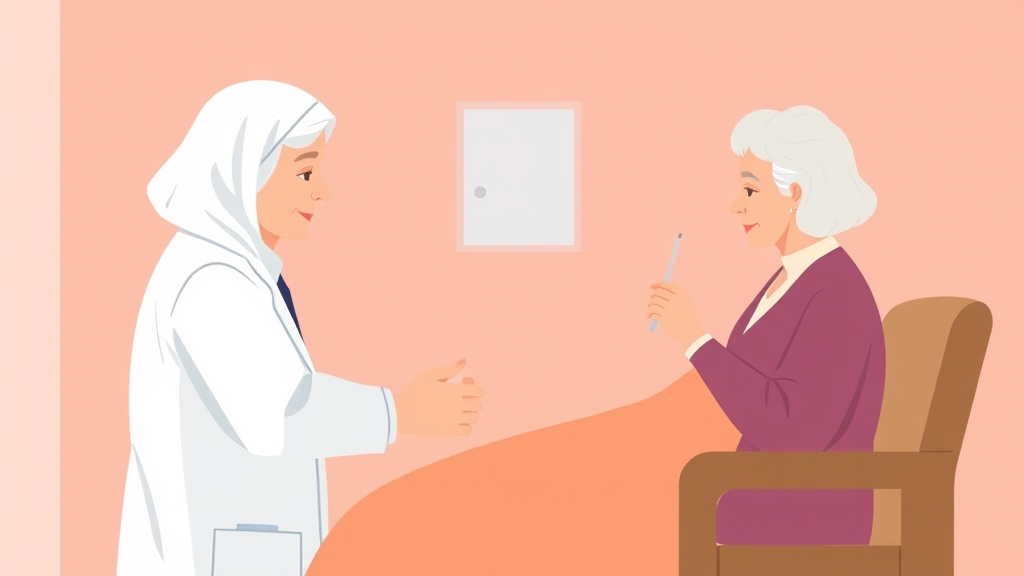
Planning ahead is the single most valuable thing you can do when it comes to dementia and anesthesia risks. Most caregiving crises are predictable in category, if not in timing. Falls, hospitalizations, cognitive decline, and care transitions are all common events that can be planned for. Having a playbook for each scenario, even a rough one, dramatically reduces stress and improves outcomes when these events occur.
The emotional side of dementia and anesthesia risks deserves as much attention as the practical side. Watching a parent struggle with health challenges brings up grief, guilt, frustration, and sometimes anger. These feelings are normal and valid. Acknowledging them, whether through journaling, therapy, support groups, or honest conversations with trusted friends, prevents them from building up to a breaking point. Your emotional health directly affects the quality of care you provide.
Key Factors to Evaluate
Cost is a factor that cannot be ignored when it comes to dementia and anesthesia risks. The average family caregiver spends over $7,000 per year out of pocket on caregiving expenses. Some spend far more. Before committing to any approach, understand what insurance covers, what assistance programs exist, and what tax deductions or credits you may be eligible for. A little research on the financial side can save your family thousands of dollars over the course of your parent's care.
Your parent's preferences matter in every decision related to dementia and anesthesia risks. Whenever possible, include them in the conversation. Even when cognitive decline is a factor, most seniors can still express preferences about their daily routines, their comfort, and their values. Respecting their autonomy, even within the constraints of their health situation, preserves their dignity and strengthens your relationship with them during a difficult time.
Documentation is one of the most underrated tools in caregiving. Keep a running log of symptoms, medications, doctor visits, insurance claims, and any changes in your parent's condition. This log becomes invaluable during doctor appointments, insurance appeals, care transitions, and family discussions about next steps. It also protects you legally if questions ever arise about the care decisions you have made on your parent's behalf.
Dementia and Anesthesia Risks: Quick Reference
| Stage | Typical Symptoms | Average Duration | Recommended Care Level | Key Actions |
|---|---|---|---|---|
| Early | Mild forgetfulness, word-finding difficulty | 2-4 years | Independent with support | Establish baseline, legal planning |
| Moderate | Confusion, behavior changes, wandering risk | 2-10 years | Assisted living or in-home aide | Safety modifications, routine structure |
| Moderately Severe | Needs help with daily tasks, personality changes | 1-3 years | Full-time supervised care | 24/7 supervision, incontinence care |
| Severe | Limited speech, mobility decline, infections | 1-3 years | Nursing home or memory care | Comfort-focused care, hospice evaluation |
| End Stage | Minimal awareness, bedbound, swallowing difficulty | Variable | Hospice care | Palliative comfort, family support |
Comparing Your Options
Legal considerations often intersect with dementia and anesthesia risks in ways that catch families off guard. Make sure your parent's legal documents, including power of attorney, healthcare proxy, and advance directives, are current and accessible. If these documents do not exist yet, prioritize getting them set up while your parent can still participate in the process. An elder law attorney can help, and many offer free initial consultations.
Planning ahead is the single most valuable thing you can do when it comes to dementia and anesthesia risks. Most caregiving crises are predictable in category, if not in timing. Falls, hospitalizations, cognitive decline, and care transitions are all common events that can be planned for. Having a playbook for each scenario, even a rough one, dramatically reduces stress and improves outcomes when these events occur.
The emotional side of dementia and anesthesia risks deserves as much attention as the practical side. Watching a parent struggle with health challenges brings up grief, guilt, frustration, and sometimes anger. These feelings are normal and valid. Acknowledging them, whether through journaling, therapy, support groups, or honest conversations with trusted friends, prevents them from building up to a breaking point. Your emotional health directly affects the quality of care you provide.
Managing dementia and anesthesia risks? See the $29 Doctor Visit Pack. Build yours in about 2 minutes.
Real-World Caregiver Tips
Cost is a factor that cannot be ignored when it comes to dementia and anesthesia risks. The average family caregiver spends over $7,000 per year out of pocket on caregiving expenses. Some spend far more. Before committing to any approach, understand what insurance covers, what assistance programs exist, and what tax deductions or credits you may be eligible for. A little research on the financial side can save your family thousands of dollars over the course of your parent's care.
Your parent's preferences matter in every decision related to dementia and anesthesia risks. Whenever possible, include them in the conversation. Even when cognitive decline is a factor, most seniors can still express preferences about their daily routines, their comfort, and their values. Respecting their autonomy, even within the constraints of their health situation, preserves their dignity and strengthens your relationship with them during a difficult time.
Documentation is one of the most underrated tools in caregiving. Keep a running log of symptoms, medications, doctor visits, insurance claims, and any changes in your parent's condition. This log becomes invaluable during doctor appointments, insurance appeals, care transitions, and family discussions about next steps. It also protects you legally if questions ever arise about the care decisions you have made on your parent's behalf.
Making Informed Decisions
Legal considerations often intersect with dementia and anesthesia risks in ways that catch families off guard. Make sure your parent's legal documents, including power of attorney, healthcare proxy, and advance directives, are current and accessible. If these documents do not exist yet, prioritize getting them set up while your parent can still participate in the process. An elder law attorney can help, and many offer free initial consultations.
Planning ahead is the single most valuable thing you can do when it comes to dementia and anesthesia risks. Most caregiving crises are predictable in category, if not in timing. Falls, hospitalizations, cognitive decline, and care transitions are all common events that can be planned for. Having a playbook for each scenario, even a rough one, dramatically reduces stress and improves outcomes when these events occur.
The emotional side of dementia and anesthesia risks deserves as much attention as the practical side. Watching a parent struggle with health challenges brings up grief, guilt, frustration, and sometimes anger. These feelings are normal and valid. Acknowledging them, whether through journaling, therapy, support groups, or honest conversations with trusted friends, prevents them from building up to a breaking point. Your emotional health directly affects the quality of care you provide.
Related Articles
- Dementia and Driving When to Take the Keys
- Dementia and Urinary Incontinence
- Dementia and Hospital Stays What to Expect
- Medicare Fraud How to Spot and Report
Try our free tools
Frequently Asked Questions
What should I know about the current landscape?
Legal considerations often intersect with dementia and anesthesia risks in ways that catch families off guard. Make sure your parent's legal documents, including power of attorney, healthcare proxy, and advance directives, are current and accessible. If these documents do not exist yet, prioritize getting them set up while your parent can still participate in the process. An elder law attorney can provide guidance.
What should I know about key factors to evaluate?
Cost is a factor that cannot be ignored when it comes to dementia and anesthesia risks. The average family caregiver spends over $7,000 per year out of pocket on caregiving expenses. Some spend far more. Before committing to any approach, understand what insurance covers, what assistance programs exist, and what tax deductions or credits you may be eligible for. A little research on the financial implications can go a long way.
What should I know about comparing your options?
Legal considerations often intersect with dementia and anesthesia risks in ways that catch families off guard. Make sure your parent's legal documents, including power of attorney, healthcare proxy, and advance directives, are current and accessible. If these documents do not exist yet, prioritize getting them set up while your parent can still participate in the process. An elder law attorney can provide guidance.
What are the best practices for real-world caregiver tips?
Cost is a factor that cannot be ignored when it comes to dementia and anesthesia risks. The average family caregiver spends over $7,000 per year out of pocket on caregiving expenses. Some spend far more. Before committing to any approach, understand what insurance covers, what assistance programs exist, and what tax deductions or credits you may be eligible for. A little research on the financial implications can go a long way.
What should I know about making informed decisions?
Legal considerations often intersect with dementia and anesthesia risks in ways that catch families off guard. Make sure your parent's legal documents, including power of attorney, healthcare proxy, and advance directives, are current and accessible. If these documents do not exist yet, prioritize getting them set up while your parent can still participate in the process. An elder law attorney can provide guidance.
How can legal documents impact dementia and anesthesia risks?
Legal considerations often intersect with dementia and anesthesia risks in ways that catch families off guard. Make sure your parent's legal documents, including power of attorney, healthcare proxy, and advance directives, are current and accessible.
What financial factors should I consider for dementia and anesthesia care?
Cost is a factor that cannot be ignored when it comes to dementia and anesthesia risks. The average family caregiver spends over $7,000 per year out of pocket on caregiving expenses. Some spend far more. Before committing to any approach, understand the financial implications.
When should I review my parent's legal documents for dementia and anesthesia?
Legal considerations often intersect with dementia and anesthesia risks in ways that catch families off guard. Make sure your parent's legal documents, including power of attorney, healthcare proxy, and advance directives, are current and accessible.
Why is it important to understand the costs of dementia and anesthesia care?
Cost is a factor that cannot be ignored when it comes to dementia and anesthesia risks. The average family caregiver spends over $7,000 per year out of pocket on caregiving expenses. Some spend far more. Before committing to any approach, understand the financial implications.
Can legal documents help manage dementia and anesthesia risks?
Legal considerations often intersect with dementia and anesthesia risks in ways that catch families off guard. Make sure your parent's legal documents, including power of attorney, healthcare proxy, and advance directives, are current and accessible.
Take Control of Your Caregiving Journey
See the $29 Doctor Visit Pack. Build yours in about 2 minutes.