Transitioning Primary Caregiver Role
The Current Landscape
According to AARP, roughly 53 million Americans serve as unpaid family caregivers. The financial, emotional, and physical toll is well documented. Caregivers are more likely to experience depression, chronic illness, and financial hardship than non-caregivers. When it comes to transitioning primary caregiver role, having clear information and organized systems does not eliminate the burden, but it reduces the chaos. And reducing chaos is one of the most impactful things you can do for both your parent and yourself.

One of the most common mistakes families splitting caregiving responsibilities make with transitioning primary caregiver role is trying to figure everything out alone. There are professionals, community resources, and technology tools designed to help. Your parent's doctor, a social worker at the local hospital, and your Area Agency on Aging can all play a role. The key is knowing which resource to tap for which problem, and building those connections before you need them urgently.
Start by writing down everything you currently know about your parent's situation related to transitioning primary caregiver role. Then write down everything you do not know. That second list is your roadmap. Work through it systematically, starting with the items that have the most immediate impact on your parent's safety and quality of life. Do not try to tackle everything in a single weekend. Sustainable caregiving is a marathon, not a sprint, and pacing yourself prevents the burnout that derails so many well-intentioned family caregivers.
Key Factors to Evaluate
Cost is a factor that cannot be ignored when it comes to transitioning primary caregiver role. The average family caregiver spends over $7,000 per year out of pocket on caregiving expenses. Some spend far more. Before committing to any approach, understand what insurance covers, what assistance programs exist, and what tax deductions or credits you may be eligible for. A little research on the financial side can save your family thousands of dollars over the course of your parent's care.
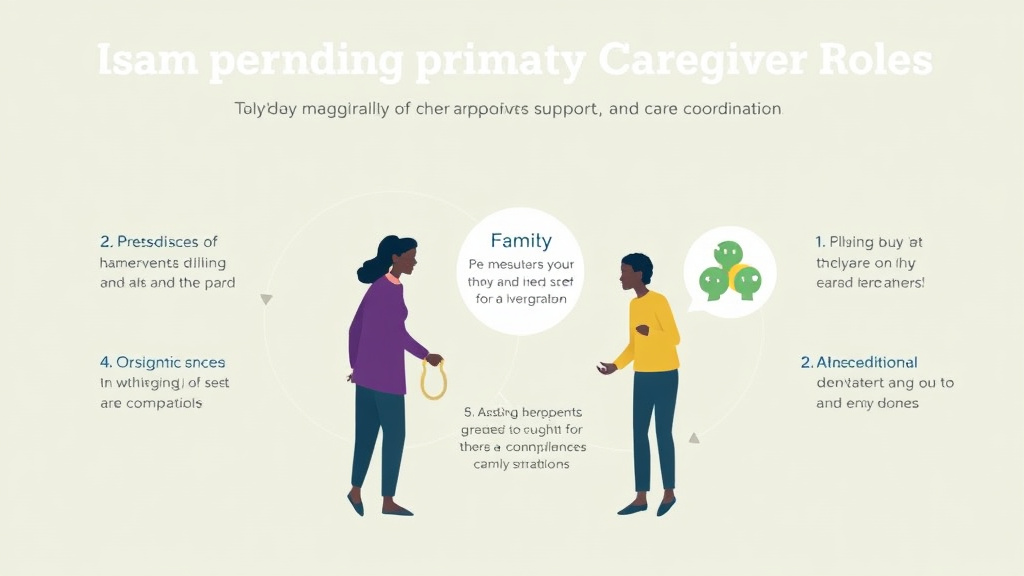
Your parent's preferences matter in every decision related to transitioning primary caregiver role. Whenever possible, include them in the conversation. Even when cognitive decline is a factor, most seniors can still express preferences about their daily routines, their comfort, and their values. Respecting their autonomy, even within the constraints of their health situation, preserves their dignity and strengthens your relationship with them during a difficult time.
Documentation is one of the most underrated tools in caregiving. Keep a running log of symptoms, medications, doctor visits, insurance claims, and any changes in your parent's condition. This log becomes invaluable during doctor appointments, insurance appeals, care transitions, and family discussions about next steps. It also protects you legally if questions ever arise about the care decisions you have made on your parent's behalf.
Transitioning Primary Caregiver Role: Quick Reference
| Role | Key Responsibilities | Time Commitment | Skills/Requirements | How to Assign |
|---|---|---|---|---|
| Primary caregiver | Daily care, medical coordination | 20-40+ hours/week | Proximity, availability, patience | Usually falls to closest/most available child |
| Financial coordinator | Bills, insurance, benefits, taxes | 5-10 hours/week | Financial literacy, organization | Best suited to detail-oriented family member |
| Medical advocate | Doctor appointments, medication tracking | 5-15 hours/week | Medical knowledge, assertiveness | Assign to most health-literate sibling |
| Respite provider | Covering for primary caregiver | Flexible, scheduled blocks | Willingness, basic care skills | Rotate among all available family |
| Long-distance supporter | Research, phone calls, emotional support | 5-10 hours/week | Communication skills, internet access | Natural role for out-of-town siblings |
Comparing Your Options
Talk to your parent's primary care physician about transitioning primary caregiver role at the next appointment. Prepare a written list of questions beforehand. During the visit, take notes or ask if you can record the conversation. After the appointment, summarize the key takeaways and share them with other family members involved in care. This simple communication loop prevents the misunderstandings and information gaps that cause so many problems in multi-caregiver families.
If you are feeling overwhelmed by transitioning primary caregiver role, you are not alone, and you are not failing. Caregiving is genuinely hard work, and the learning curve is steep. Give yourself permission to not know everything right away. Focus on the next right step rather than trying to solve every problem at once. And remember that asking for help, whether from family, friends, professionals, or technology, is a sign of strength, not weakness.
Quality of life should guide every decision you make about transitioning primary caregiver role. It is easy to get caught up in medical metrics, insurance paperwork, and logistical challenges, and lose sight of what actually matters to your parent: comfort, connection, dignity, and as much independence as their health allows. Check in regularly with yourself about whether the choices you are making serve those goals, and adjust course when they do not.
Managing transitioning primary caregiver role? See the $29 Doctor Visit Pack. Build yours in about 2 minutes.
Real-World Caregiver Tips
Many families splitting caregiving responsibilities put their own health on the back burner while managing transitioning primary caregiver role for their parents. This is understandable but unsustainable. If you burn out, get sick, or become unable to provide care, your parent's situation worsens dramatically. Prioritize your own medical appointments, exercise, sleep, and social connections. These are not luxuries. They are requirements for being able to show up as the caregiver your parent needs.
When evaluating options related to transitioning primary caregiver role, get information from multiple sources before making a decision. One doctor's opinion, one insurance representative's answer, or one facility's brochure does not give you the full picture. Cross-reference what you learn, and pay special attention to information from people who have been through similar situations. Caregiver support groups, both in-person and online, are excellent sources of real-world experience.
Legal considerations often intersect with transitioning primary caregiver role in ways that catch families off guard. Make sure your parent's legal documents, including power of attorney, healthcare proxy, and advance directives, are current and accessible. If these documents do not exist yet, prioritize getting them set up while your parent can still participate in the process. An elder law attorney can help, and many offer free initial consultations.
Making Informed Decisions
The emotional side of transitioning primary caregiver role deserves as much attention as the practical side. Watching a parent struggle with health challenges brings up grief, guilt, frustration, and sometimes anger. These feelings are normal and valid. Acknowledging them, whether through journaling, therapy, support groups, or honest conversations with trusted friends, prevents them from building up to a breaking point. Your emotional health directly affects the quality of care you provide.
As you work through the details of transitioning primary caregiver role, keep a list of what is working and what is not. Review this list monthly and make adjustments. Caregiving is not a set-it-and-forget-it operation. Your parent's needs will change, your capacity will fluctuate, and external factors like insurance coverage and available services will shift. Regular review and adjustment keep your care approach effective and sustainable over the long haul.
Most families splitting caregiving responsibilities discover the importance of transitioning primary caregiver role only after a crisis forces the issue. By then, decisions feel rushed, options feel limited, and stress levels are already through the roof. The better approach is to educate yourself now, even if the need does not feel urgent yet. Understanding what is ahead gives you time to plan, compare options, and make choices that reflect your parent's values rather than just what is available in the moment. This guide walks you through what you need to know in practical, plain language.
Related Articles
- Only Child Caregiver Support Strategies
- Caregiver Workplace Accommodations
- Caregiver Resume Gap Explanation
- Assisted Living Costs What to Expect
Try our free tools
Frequently Asked Questions
What should I know about the current landscape?
According to AARP, roughly 53 million Americans serve as unpaid family caregivers. The financial, emotional, and physical toll is well documented. Caregivers are more likely to experience depression, chronic illness, and financial hardship than non-caregivers. When it comes to transitioning primary caregiver role, having clear information and organized systems does not eliminate the burden, but it can help manage it.
What should I know about key factors to evaluate?
Cost is a factor that cannot be ignored when it comes to transitioning primary caregiver role. The average family caregiver spends over $7,000 per year out of pocket on caregiving expenses. Some spend far more. Before committing to any approach, understand what insurance covers, what assistance programs exist, and what tax deductions or credits you may be eligible for. A little research on the financial implications can go a long way.
What should I know about comparing your options?
Talk to your parent's primary care physician about transitioning primary caregiver role at the next appointment. Prepare a written list of questions beforehand. During the visit, take notes or ask if you can record the conversation.
What are the best practices for real-world caregiver tips?
Many families splitting caregiving responsibilities put their own health on the back burner while managing transitioning primary caregiver role for their parents. This is understandable but unsustainable. If you burn out, get sick, or become unable to provide care, your parent's situation worsens dramatically. Prioritize your own medical appointments, exercise, sleep, and social connections. These self-care practices will help you be a more effective caregiver in the long run.
What should I know about making informed decisions?
The emotional side of transitioning primary caregiver role deserves as much attention as the practical side. Watching a parent struggle with health challenges brings up grief, guilt, frustration, and sometimes anger. These feelings are normal and valid. Acknowledging them, whether through journaling, therapy, support groups, or honest conversations with trusted friends, prevents them from building up and interfering with your ability to make clear-headed decisions.
Take Control of Your Caregiving Journey
See the $29 Doctor Visit Pack. Build yours in about 2 minutes.