Caregiver Monthly Wellness Checklist
Understanding the Basics
Your parent's preferences matter in every decision related to caregiver monthly wellness checklist. Whenever possible, include them in the conversation. Even when cognitive decline is a factor, most seniors can still express preferences about their daily routines, their comfort, and their values. Respecting their autonomy, even within the constraints of their health situation, preserves their dignity and strengthens your relationship with them during a difficult time.
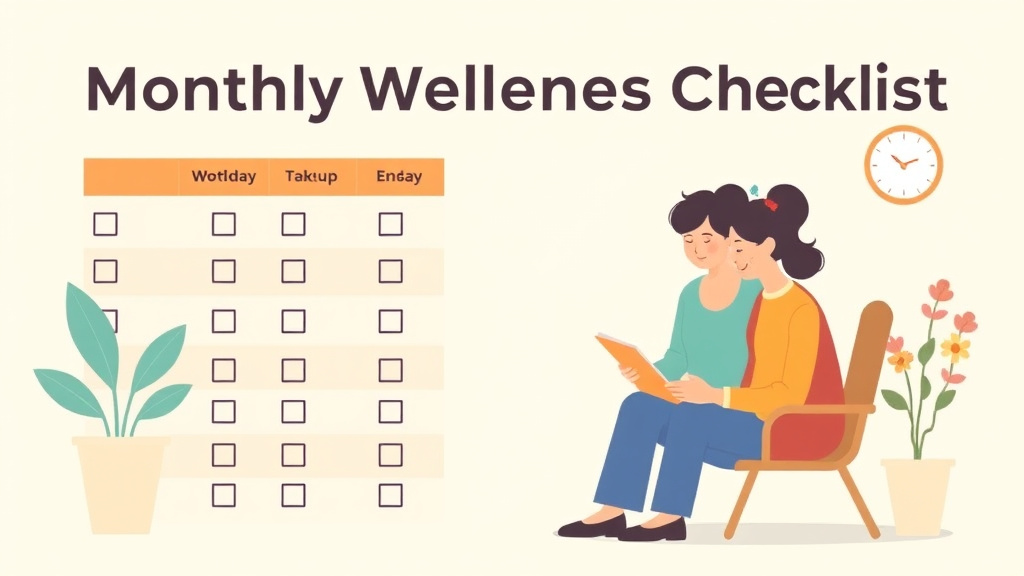
Documentation is one of the most underrated tools in caregiving. Keep a running log of symptoms, medications, doctor visits, insurance claims, and any changes in your parent's condition. This log becomes invaluable during doctor appointments, insurance appeals, care transitions, and family discussions about next steps. It also protects you legally if questions ever arise about the care decisions you have made on your parent's behalf.
Technology has made many aspects of caregiver monthly wellness checklist easier than they were even five years ago. Telehealth visits reduce transportation burdens. Medication management apps send automatic reminders. Shared calendars keep family caregivers coordinated across time zones. GPS trackers provide peace of mind for wandering risks. A shared list, a simple calendar, and the right printed materials go a long way toward managing all of this. The goal is not to add more complexity, but to consolidate what you are already doing into a system that works.
How This Impacts Daily Caregiving
Planning ahead is the single most valuable thing you can do when it comes to caregiver monthly wellness checklist. Most caregiving crises are predictable in category, if not in timing. Falls, hospitalizations, cognitive decline, and care transitions are all common events that can be planned for. Having a playbook for each scenario, even a rough one, dramatically reduces stress and improves outcomes when these events occur.
The emotional side of caregiver monthly wellness checklist deserves as much attention as the practical side. Watching a parent struggle with health challenges brings up grief, guilt, frustration, and sometimes anger. These feelings are normal and valid. Acknowledging them, whether through journaling, therapy, support groups, or honest conversations with trusted friends, prevents them from building up to a breaking point. Your emotional health directly affects the quality of care you provide.
As you work through the details of caregiver monthly wellness checklist, keep a list of what is working and what is not. Review this list monthly and make adjustments. Caregiving is not a set-it-and-forget-it operation. Your parent's needs will change, your capacity will fluctuate, and external factors like insurance coverage and available services will shift. Regular review and adjustment keep your care approach effective and sustainable over the long haul.
Caregiver Monthly Wellness Checklist: Quick Reference
| Self-Care Activity | Time Required | Stress Reduction Impact | Cost | How to Start |
|---|---|---|---|---|
| 10-minute walk outside | 10 minutes | Moderate to high | Free | Walk around the block during respite time |
| Guided meditation app | 5-15 minutes | High | Free to $15/month | Download Calm or Insight Timer |
| Journaling | 10-20 minutes | Moderate to high | $5 for a notebook | Write 3 things daily: grateful, stressed, need |
| Support group meeting | 60-90 minutes | Very high | Usually free | Search AARP or Alzheimer's Association |
| Therapy session | 50 minutes | Very high | $20-$50 copay typically | Ask your doctor for a referral |
Your Options Explained
Your parent's preferences matter in every decision related to caregiver monthly wellness checklist. Whenever possible, include them in the conversation. Even when cognitive decline is a factor, most seniors can still express preferences about their daily routines, their comfort, and their values. Respecting their autonomy, even within the constraints of their health situation, preserves their dignity and strengthens your relationship with them during a difficult time.
Documentation is one of the most underrated tools in caregiving. Keep a running log of symptoms, medications, doctor visits, insurance claims, and any changes in your parent's condition. This log becomes invaluable during doctor appointments, insurance appeals, care transitions, and family discussions about next steps. It also protects you legally if questions ever arise about the care decisions you have made on your parent's behalf.
Technology has made many aspects of caregiver monthly wellness checklist easier than they were even five years ago. Telehealth visits reduce transportation burdens. Medication management apps send automatic reminders. Shared calendars keep family caregivers coordinated across time zones. GPS trackers provide peace of mind for wandering risks. A shared list, a simple calendar, and the right printed materials go a long way toward managing all of this. The goal is not to add more complexity, but to consolidate what you are already doing into a system that works.
Managing caregiver monthly wellness checklist? See the $29 Doctor Visit Pack. Build yours in about 2 minutes.
Cost and Coverage Considerations
Planning ahead is the single most valuable thing you can do when it comes to caregiver monthly wellness checklist. Most caregiving crises are predictable in category, if not in timing. Falls, hospitalizations, cognitive decline, and care transitions are all common events that can be planned for. Having a playbook for each scenario, even a rough one, dramatically reduces stress and improves outcomes when these events occur.
The emotional side of caregiver monthly wellness checklist deserves as much attention as the practical side. Watching a parent struggle with health challenges brings up grief, guilt, frustration, and sometimes anger. These feelings are normal and valid. Acknowledging them, whether through journaling, therapy, support groups, or honest conversations with trusted friends, prevents them from building up to a breaking point. Your emotional health directly affects the quality of care you provide.
As you work through the details of caregiver monthly wellness checklist, keep a list of what is working and what is not. Review this list monthly and make adjustments. Caregiving is not a set-it-and-forget-it operation. Your parent's needs will change, your capacity will fluctuate, and external factors like insurance coverage and available services will shift. Regular review and adjustment keep your care approach effective and sustainable over the long haul.
Making Your Plan
Your parent's preferences matter in every decision related to caregiver monthly wellness checklist. Whenever possible, include them in the conversation. Even when cognitive decline is a factor, most seniors can still express preferences about their daily routines, their comfort, and their values. Respecting their autonomy, even within the constraints of their health situation, preserves their dignity and strengthens your relationship with them during a difficult time.
Documentation is one of the most underrated tools in caregiving. Keep a running log of symptoms, medications, doctor visits, insurance claims, and any changes in your parent's condition. This log becomes invaluable during doctor appointments, insurance appeals, care transitions, and family discussions about next steps. It also protects you legally if questions ever arise about the care decisions you have made on your parent's behalf.
Technology has made many aspects of caregiver monthly wellness checklist easier than they were even five years ago. Telehealth visits reduce transportation burdens. Medication management apps send automatic reminders. Shared calendars keep family caregivers coordinated across time zones. GPS trackers provide peace of mind for wandering risks. A shared list, a simple calendar, and the right printed materials go a long way toward managing all of this. The goal is not to add more complexity, but to consolidate what you are already doing into a system that works.
Try our free tools
Frequently Asked Questions
Planning ahead is the single most valuable thing you can do when it comes to caregiver monthly wellness checklist. Most caregiving crises are predictable in category, if not in timing. Falls, hospitalizations, cognitive decline, and care transitions are all common events that can be planned for. Having a playbook for each scenario, even a rough one, dramatically reduces stress and improves outcomes when these events occur.
The emotional side of caregiver monthly wellness checklist deserves as much attention as the practical side. Watching a parent struggle with health challenges brings up grief, guilt, frustration, and sometimes anger. These feelings are normal and valid. Acknowledging them, whether through journaling, therapy, support groups, or honest conversations with trusted friends, prevents them from building up to a breaking point. Your emotional health directly affects the quality of care you provide.
As you work through the details of caregiver monthly wellness checklist, keep a list of what is working and what is not. Review this list monthly and make adjustments. Caregiving is not a set-it-and-forget-it operation. Your parent's needs will change, your capacity will fluctuate, and external factors like insurance coverage and available services will shift. Regular review and adjustment keep your care approach effective and sustainable over the long haul.
Related Articles
- Caregiver Stress Management Techniques
- Caregiver Loneliness and Isolation
- Caregiver Self Care Daily Habits
- Medication Adjustments for Kidney Disease
Walk Into the Next Visit Prepared
CaregiverPilot's $29 one-time Doctor Visit Pack builds a personalized visit prep sheet, medication log, and symptom tracker from your own answers.
$29 one time. Optional Care Companion membership $6.99/mo or $39/yr. 30-day money-back guarantee.