Blood Sugar Testing for Elderly
What Every Caregiver Needs to Know
Start by writing down everything you currently know about your parent's situation related to blood sugar testing for elderly. Then write down everything you do not know. That second list is your roadmap. Work through it systematically, starting with the items that have the most immediate impact on your parent's safety and quality of life. Do not try to tackle everything in a single weekend. Sustainable caregiving is a marathon, not a sprint, and pacing yourself prevents the burnout that derails so many well-intentioned family caregivers.
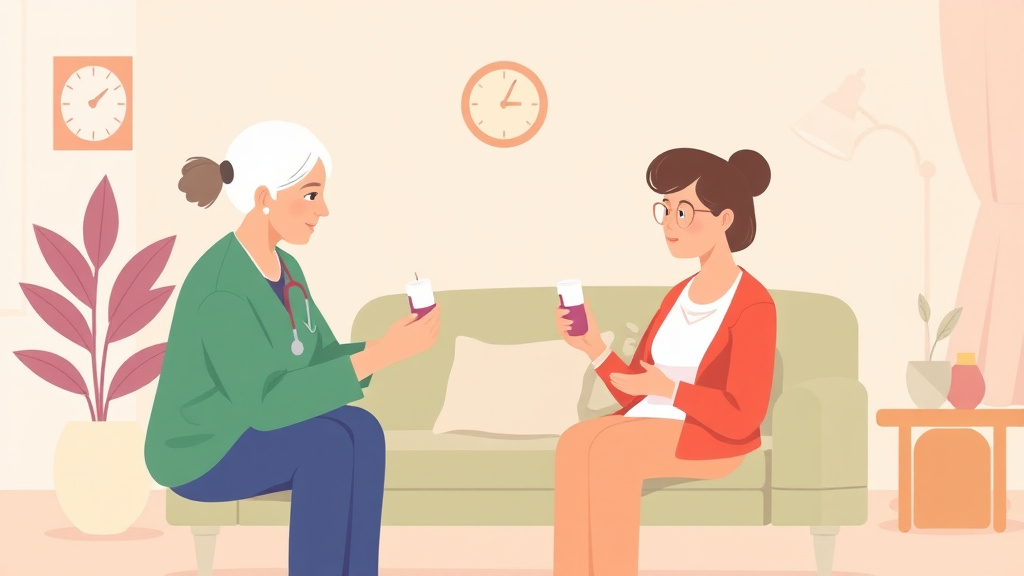
Communication is the foundation of good caregiving, and it is especially important when dealing with blood sugar testing for elderly. Make sure every family member involved in your parent's care has access to the same information. Use a shared document, a family group chat, or a caregiving coordination app to keep everyone updated. When information lives in one person's head, things get missed. When it lives in a shared system, the whole family can contribute and stay aligned.
Cost is a factor that cannot be ignored when it comes to blood sugar testing for elderly. The average family caregiver spends over $7,000 per year out of pocket on caregiving expenses. Some spend far more. Before committing to any approach, understand what insurance covers, what assistance programs exist, and what tax deductions or credits you may be eligible for. A little research on the financial side can save your family thousands of dollars over the course of your parent's care.
Key Details and Considerations
Documentation is one of the most underrated tools in caregiving. Keep a running log of symptoms, medications, doctor visits, insurance claims, and any changes in your parent's condition. This log becomes invaluable during doctor appointments, insurance appeals, care transitions, and family discussions about next steps. It also protects you legally if questions ever arise about the care decisions you have made on your parent's behalf.

Technology has made many aspects of blood sugar testing for elderly easier than they were even five years ago. Telehealth visits reduce transportation burdens. Medication management apps send automatic reminders. Shared calendars keep family caregivers coordinated across time zones. GPS trackers provide peace of mind for wandering risks. A shared list, a simple calendar, and the right printed materials go a long way toward managing all of this. The goal is not to add more complexity, but to consolidate what you are already doing into a system that works.
Talk to your parent's primary care physician about blood sugar testing for elderly at the next appointment. Prepare a written list of questions beforehand. During the visit, take notes or ask if you can record the conversation. After the appointment, summarize the key takeaways and share them with other family members involved in care. This simple communication loop prevents the misunderstandings and information gaps that cause so many problems in multi-caregiver families.
Blood Sugar Testing for Elderly: Quick Reference
| Care Task | Recommended Frequency | Average Time | Equipment Needed | Safety Tip |
|---|---|---|---|---|
| Bathing/showering | 2-3 times per week minimum | 30-45 minutes | Shower chair, grab bars, non-slip mat | Test water temperature before starting |
| Medication administration | Per prescription schedule | 10-15 minutes per session | Pill organizer, medication list | Double-check dosages every time |
| Meal preparation | 3 meals plus snacks daily | 45-60 minutes per meal | Adaptive utensils if needed | Monitor for choking risk with dysphagia |
| Mobility assistance | As needed throughout day | 5-15 minutes per transfer | Walker, wheelchair, gait belt | Use proper body mechanics to prevent injury |
| Skin care and wound check | Daily during bathing/dressing | 10-15 minutes | Moisturizer, wound supplies if needed | Report new skin breakdown immediately |
Step-by-Step Action Plan
Quality of life should guide every decision you make about blood sugar testing for elderly. It is easy to get caught up in medical metrics, insurance paperwork, and logistical challenges, and lose sight of what actually matters to your parent: comfort, connection, dignity, and as much independence as their health allows. Check in regularly with yourself about whether the choices you are making serve those goals, and adjust course when they do not.
Every caregiving situation is different, and what works for one family may not work for yours. The advice in this guide on blood sugar testing for elderly should be adapted to your parent's specific health conditions, your family dynamics, your geographic location, and your financial resources. Use it as a starting framework, then customize based on what you learn through experience. The best care plan is one that evolves as circumstances change.
Many adult children handling day-to-day care tasks put their own health on the back burner while managing blood sugar testing for elderly for their parents. This is understandable but unsustainable. If you burn out, get sick, or become unable to provide care, your parent's situation worsens dramatically. Prioritize your own medical appointments, exercise, sleep, and social connections. These are not luxuries. They are requirements for being able to show up as the caregiver your parent needs.
Managing blood sugar testing for elderly? See the $29 Doctor Visit Pack. Build yours in about 2 minutes.
Common Mistakes and How to Avoid Them
Legal considerations often intersect with blood sugar testing for elderly in ways that catch families off guard. Make sure your parent's legal documents, including power of attorney, healthcare proxy, and advance directives, are current and accessible. If these documents do not exist yet, prioritize getting them set up while your parent can still participate in the process. An elder law attorney can help, and many offer free initial consultations.
Planning ahead is the single most valuable thing you can do when it comes to blood sugar testing for elderly. Most caregiving crises are predictable in category, if not in timing. Falls, hospitalizations, cognitive decline, and care transitions are all common events that can be planned for. Having a playbook for each scenario, even a rough one, dramatically reduces stress and improves outcomes when these events occur.
The emotional side of blood sugar testing for elderly deserves as much attention as the practical side. Watching a parent struggle with health challenges brings up grief, guilt, frustration, and sometimes anger. These feelings are normal and valid. Acknowledging them, whether through journaling, therapy, support groups, or honest conversations with trusted friends, prevents them from building up to a breaking point. Your emotional health directly affects the quality of care you provide.
Resources and Next Steps
Most adult children handling day-to-day care tasks discover the importance of blood sugar testing for elderly only after a crisis forces the issue. By then, decisions feel rushed, options feel limited, and stress levels are already through the roof. The better approach is to educate yourself now, even if the need does not feel urgent yet. Understanding what is ahead gives you time to plan, compare options, and make choices that reflect your parent's values rather than just what is available in the moment. This guide walks you through what you need to know in practical, plain language.
The medical system was not designed with family caregivers in mind. Doctors have limited appointment time. Insurance companies use jargon that obscures more than it clarifies. Care facilities have their own rules and acronyms. As the person coordinating your parent's care, you are expected to navigate all of these systems at once, often without training or support. That is why understanding blood sugar testing for elderly matters so much. It gives you the vocabulary and framework to advocate effectively for your parent across every interaction.
According to AARP, roughly 53 million Americans serve as unpaid family caregivers. The financial, emotional, and physical toll is well documented. Caregivers are more likely to experience depression, chronic illness, and financial hardship than non-caregivers. When it comes to blood sugar testing for elderly, having clear information and organized systems does not eliminate the burden, but it reduces the chaos. And reducing chaos is one of the most impactful things you can do for both your parent and yourself.
Related Articles
- Dental Care for Elderly Parents
- Transportation Options for Elderly Parents
- Morning Routine for Elderly Care
- Caregiver Relationship Strain Solutions
Try our free tools
Frequently Asked Questions
What Every Caregiver Needs to Know?
Start by writing down everything you currently know about your parent's situation related to blood sugar testing for elderly. Then write down everything you do not know. That second list is your roadmap.
What should I know about key details and considerations?
Documentation is one of the most underrated tools in caregiving. Keep a running log of symptoms, medications, doctor visits, insurance claims, and any changes in your parent's condition. This log becomes invaluable during doctor appointments, insurance appeals, care transitions, and family discussions about next steps. It also protects you legally if questions ever arise about the care decisions you made.
What is the process for step-by-step action plan?
Quality of life should guide every decision you make about blood sugar testing for elderly. It is easy to get caught up in medical metrics, insurance paperwork, and logistical challenges, and lose sight of what actually matters to your parent: comfort, connection, dignity, and as much independence as their health allows. Check in regularly with yourself about whether the choices you are making serve your parent's overall well-being.
What is the process for common mistakes and how to avoid them?
Legal considerations often intersect with blood sugar testing for elderly in ways that catch families off guard. Make sure your parent's legal documents, including power of attorney, healthcare proxy, and advance directives, are current and accessible. If these documents do not exist yet, prioritize getting them set up while your parent can still participate in the process. An elder law attorney can guide you through these important steps.
How can I make blood sugar testing more comfortable for my elderly parent?
Documentation is one of the most underrated tools in caregiving. Keep a running log of symptoms, medications, doctor visits, insurance claims, and any changes in your parent's condition. This log becomes invaluable during doctor appointments, insurance claims, and care planning.
What should I prioritize when managing blood sugar testing for my elderly parent?
Quality of life should guide every decision you make about blood sugar testing for elderly. It is easy to get caught up in medical metrics, insurance paperwork, and logistical challenges, and lose sight of what actually matters to your parent: comfort, dignity, and their preferences.
Can legal considerations impact blood sugar testing for the elderly?
Legal considerations often intersect with blood sugar testing for elderly in ways that catch families off guard. Make sure your parent's legal documents, including power of attorney, healthcare proxy, and advance directives, are current and accessible.
Take Control of Your Caregiving Journey
See the $29 Doctor Visit Pack. Build yours in about 2 minutes.