Monitoring Weight Changes in Elderly
Getting Started: The Essentials
Every caregiving situation is different, and what works for one family may not work for yours. The advice in this guide on monitoring weight changes in elderly should be adapted to your parent's specific health conditions, your family dynamics, your geographic location, and your financial resources. Use it as a starting framework, then customize based on what you learn through experience. The best care plan is one that evolves as circumstances change.

Many adult children handling day-to-day care tasks put their own health on the back burner while managing monitoring weight changes in elderly for their parents. This is understandable but unsustainable. If you burn out, get sick, or become unable to provide care, your parent's situation worsens dramatically. Prioritize your own medical appointments, exercise, sleep, and social connections. These are not luxuries. They are requirements for being able to show up as the caregiver your parent needs.
When evaluating options related to monitoring weight changes in elderly, get information from multiple sources before making a decision. One doctor's opinion, one insurance representative's answer, or one facility's brochure does not give you the full picture. Cross-reference what you learn, and pay special attention to information from people who have been through similar situations. Caregiver support groups, both in-person and online, are excellent sources of real-world experience.
Critical Information You Need
One of the most common mistakes adult children handling day-to-day care tasks make with monitoring weight changes in elderly is trying to figure everything out alone. There are professionals, community resources, and technology tools designed to help. Your parent's doctor, a social worker at the local hospital, and your Area Agency on Aging can all play a role. The key is knowing which resource to tap for which problem, and building those connections before you need them urgently.
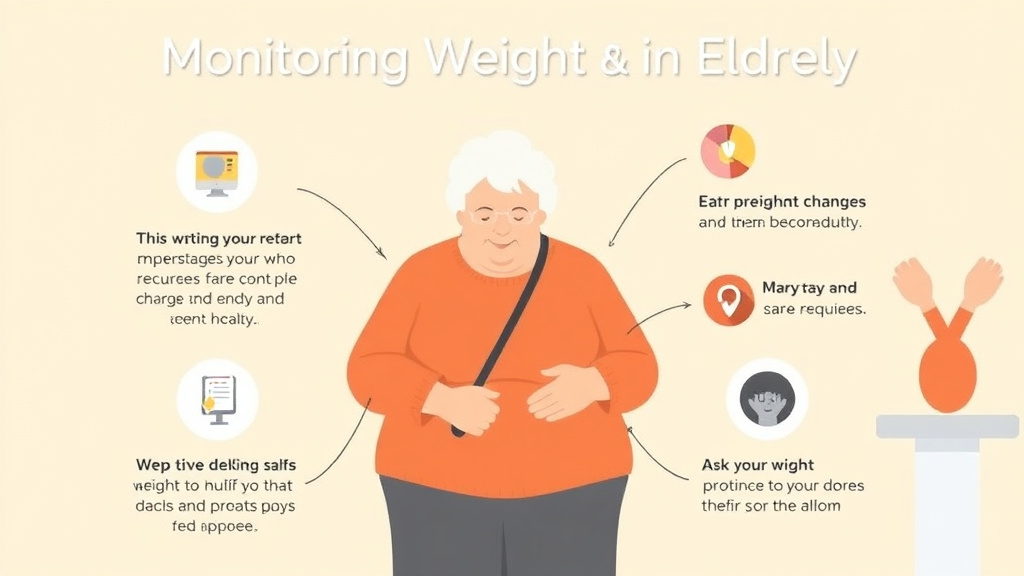
Start by writing down everything you currently know about your parent's situation related to monitoring weight changes in elderly. Then write down everything you do not know. That second list is your roadmap. Work through it systematically, starting with the items that have the most immediate impact on your parent's safety and quality of life. Do not try to tackle everything in a single weekend. Sustainable caregiving is a marathon, not a sprint, and pacing yourself prevents the burnout that derails so many well-intentioned family caregivers.
Communication is the foundation of good caregiving, and it is especially important when dealing with monitoring weight changes in elderly. Make sure every family member involved in your parent's care has access to the same information. Use a shared document, a family group chat, or a caregiving coordination app to keep everyone updated. When information lives in one person's head, things get missed. When it lives in a shared system, the whole family can contribute and stay aligned.
Monitoring Weight Changes in Elderly: Quick Reference
| Product Category | Top Recommendation | Price Range | Best For | Where to Buy |
|---|---|---|---|---|
| Shower chair | Drive Medical Premium | $40-$80 | Stability during bathing | Amazon, medical supply stores |
| Grab bars | Moen SecureMount | $25-$50 each | Bathroom and hallway safety | Home Depot, Lowe's |
| Pill organizer | MedCenter 31-Day | $20-$35 | Complex medication schedules | Amazon, pharmacies |
| Medical alert system | Medical Guardian | $30-$50/month | Fall detection, emergency response | Direct from provider |
| Incontinence supplies | Prevail Premium | $15-$30 per package | Overnight protection | Amazon, Walmart, pharmacies |
Best Practices for Caregivers
Every caregiving situation is different, and what works for one family may not work for yours. The advice in this guide on monitoring weight changes in elderly should be adapted to your parent's specific health conditions, your family dynamics, your geographic location, and your financial resources. Use it as a starting framework, then customize based on what you learn through experience. The best care plan is one that evolves as circumstances change.
Many adult children handling day-to-day care tasks put their own health on the back burner while managing monitoring weight changes in elderly for their parents. This is understandable but unsustainable. If you burn out, get sick, or become unable to provide care, your parent's situation worsens dramatically. Prioritize your own medical appointments, exercise, sleep, and social connections. These are not luxuries. They are requirements for being able to show up as the caregiver your parent needs.
When evaluating options related to monitoring weight changes in elderly, get information from multiple sources before making a decision. One doctor's opinion, one insurance representative's answer, or one facility's brochure does not give you the full picture. Cross-reference what you learn, and pay special attention to information from people who have been through similar situations. Caregiver support groups, both in-person and online, are excellent sources of real-world experience.
Managing monitoring weight changes in elderly? See the $29 Doctor Visit Pack. Build yours in about 2 minutes.
Troubleshooting Common Challenges
One of the most common mistakes adult children handling day-to-day care tasks make with monitoring weight changes in elderly is trying to figure everything out alone. There are professionals, community resources, and technology tools designed to help. Your parent's doctor, a social worker at the local hospital, and your Area Agency on Aging can all play a role. The key is knowing which resource to tap for which problem, and building those connections before you need them urgently.
Start by writing down everything you currently know about your parent's situation related to monitoring weight changes in elderly. Then write down everything you do not know. That second list is your roadmap. Work through it systematically, starting with the items that have the most immediate impact on your parent's safety and quality of life. Do not try to tackle everything in a single weekend. Sustainable caregiving is a marathon, not a sprint, and pacing yourself prevents the burnout that derails so many well-intentioned family caregivers.
Communication is the foundation of good caregiving, and it is especially important when dealing with monitoring weight changes in elderly. Make sure every family member involved in your parent's care has access to the same information. Use a shared document, a family group chat, or a caregiving coordination app to keep everyone updated. When information lives in one person's head, things get missed. When it lives in a shared system, the whole family can contribute and stay aligned.
Where to Find Help and Support
Every caregiving situation is different, and what works for one family may not work for yours. The advice in this guide on monitoring weight changes in elderly should be adapted to your parent's specific health conditions, your family dynamics, your geographic location, and your financial resources. Use it as a starting framework, then customize based on what you learn through experience. The best care plan is one that evolves as circumstances change.
Many adult children handling day-to-day care tasks put their own health on the back burner while managing monitoring weight changes in elderly for their parents. This is understandable but unsustainable. If you burn out, get sick, or become unable to provide care, your parent's situation worsens dramatically. Prioritize your own medical appointments, exercise, sleep, and social connections. These are not luxuries. They are requirements for being able to show up as the caregiver your parent needs.
When evaluating options related to monitoring weight changes in elderly, get information from multiple sources before making a decision. One doctor's opinion, one insurance representative's answer, or one facility's brochure does not give you the full picture. Cross-reference what you learn, and pay special attention to information from people who have been through similar situations. Caregiver support groups, both in-person and online, are excellent sources of real-world experience.
Looking Ahead
One of the most common mistakes adult children handling day-to-day care tasks make with monitoring weight changes in elderly is trying to figure everything out alone. There are professionals, community resources, and technology tools designed to help. Your parent's doctor, a social worker at the local hospital, and your Area Agency on Aging can all play a role. The key is knowing which resource to tap for which problem, and building those connections before you need them urgently.
Start by writing down everything you currently know about your parent's situation related to monitoring weight changes in elderly. Then write down everything you do not know. That second list is your roadmap. Work through it systematically, starting with the items that have the most immediate impact on your parent's safety and quality of life. Do not try to tackle everything in a single weekend. Sustainable caregiving is a marathon, not a sprint, and pacing yourself prevents the burnout that derails so many well-intentioned family caregivers.
Communication is the foundation of good caregiving, and it is especially important when dealing with monitoring weight changes in elderly. Make sure every family member involved in your parent's care has access to the same information. Use a shared document, a family group chat, or a caregiving coordination app to keep everyone updated. When information lives in one person's head, things get missed. When it lives in a shared system, the whole family can contribute and stay aligned.
Related Articles
- Managing Bathing Resistance in Elderly
- Managing Bowel Incontinence in Elderly
- Nutrition Supplements for Elderly
- CaregiverPilot vs. Wellthy Comparison
Try our free tools
Frequently Asked Questions
How should I get started with the essentials?
Every caregiving situation is different, and what works for one family may not work for yours. The advice in this guide on monitoring weight changes in elderly should be adapted to your parent's specific health conditions, your family dynamics, your geographic location, and your financial resources. Use it as a starting framework, then customize based on what you learn through experience. The best approach is to be open-minded and flexible as you navigate this journey.
What critical information do I need?
One of the most common mistakes adult children handling day-to-day care tasks make with monitoring weight changes in elderly is trying to figure everything out alone. There are professionals, community resources, and technology tools designed to help. Your parent's doctor, a social worker at the local hospital, and your Area Agency on Aging can all play a role. The key is to build a support network and not try to do it all on your own.
What are the best practices for caregivers?
Every caregiving situation is different, and what works for one family may not work for yours. The advice in this guide on monitoring weight changes in elderly should be adapted to your parent's specific health conditions, your family dynamics, your geographic location, and your financial resources. Use it as a starting framework, then customize based on what you learn through experience. The best approach is to be open-minded and flexible as you navigate this journey.
How can I troubleshoot common challenges?
One of the most common mistakes adult children handling day-to-day care tasks make with monitoring weight changes in elderly is trying to figure everything out alone. There are professionals, community resources, and technology tools designed to help. Your parent's doctor, a social worker at the local hospital, and your Area Agency on Aging can all play a role. The key is to build a support network and not try to do it all on your own.
Where to Find Help and Support?
Every caregiving situation is different, and what works for one family may not work for yours. The advice in this guide on monitoring weight changes in elderly should be adapted to your parent's specific health conditions, your family dynamics, your geographic location, and your financial resources. Use it as a starting framework, then customize based on what you learn through experience. The best approach is to be open-minded and flexible as you navigate this journey.
What should I know about looking ahead?
One of the most common mistakes adult children handling day-to-day care tasks make with monitoring weight changes in elderly is trying to figure everything out alone. There are professionals, community resources, and technology tools designed to help. Your parent's doctor, a social worker at the local hospital, and your Area Agency on Aging can all play a role. The key is to build a support network and not try to do it all on your own.
How should I get started with the essentials?
Every caregiving situation is different, and what works for one family may not work for yours. The advice in this guide on monitoring weight changes in elderly should be adapted to your parent's specific health conditions, your family dynamics, your geographic location, and your financial resources. Use it as a starting framework, then customize based on what you learn through experience. The best approach is to be open-minded and flexible as you navigate this journey.
What critical information do I need?
One of the most common mistakes adult children handling day-to-day care tasks make with monitoring weight changes in elderly is trying to figure everything out alone. There are professionals, community resources, and technology tools designed to help. Your parent's doctor, a social worker at the local hospital, and your Area Agency on Aging can all play a role. The key is to build a support network and not try to do it all on your own.
How can I effectively monitor weight changes in my elderly parent?
Every caregiving situation is different, and what works for one family may not work for yours. The advice in this guide on monitoring weight changes in elderly should be adapted to your parent's specific health conditions, your family dynamics, and your available resources.
How can I troubleshoot common challenges?
One of the most common mistakes adult children handling day-to-day care tasks make with monitoring weight changes in elderly is trying to figure everything out alone. There are professionals, community resources, and technology tools designed to help. Your parent's doctor, a social worker at the local hospital, and your Area Agency on Aging can all play a role. The key is to build a support network and not try to do it all on your own.
Where to Find Help and Support?
Every caregiving situation is different, and what works for one family may not work for yours. The advice in this guide on monitoring weight changes in elderly should be adapted to your parent's specific health conditions, your family dynamics, your geographic location, and your financial resources. Use it as a starting framework, then customize based on what you learn through experience. The best approach is to be open-minded and flexible as you navigate this journey.
Why is it important to involve others when caring for an elderly parent?
One of the most common mistakes adult children handling day-to-day care tasks make with monitoring weight changes in elderly is trying to figure everything out alone. There are professionals, community resources, and technology tools designed to help.
Take Control of Your Caregiving Journey
See the $29 Doctor Visit Pack. Build yours in about 2 minutes.