Group Home for Seniors Guide
The Current Landscape
Talk to your parent's primary care physician about group home for seniors guide at the next appointment. Prepare a written list of questions beforehand. During the visit, take notes or ask if you can record the conversation. After the appointment, summarize the key takeaways and share them with other family members involved in care. This simple communication loop prevents the misunderstandings and information gaps that cause so many problems in multi-caregiver families.
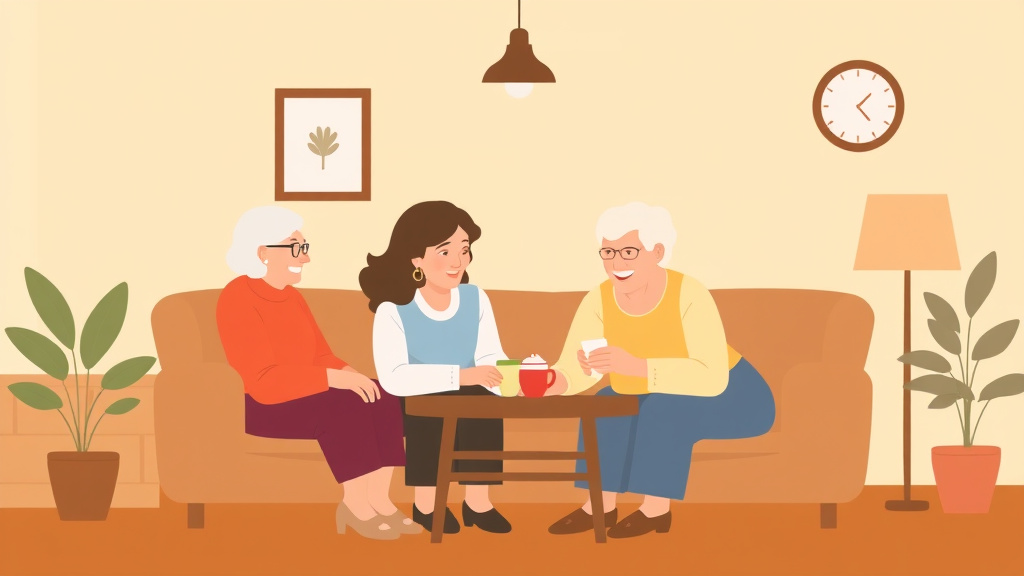
If you are feeling overwhelmed by group home for seniors guide, you are not alone, and you are not failing. Caregiving is genuinely hard work, and the learning curve is steep. Give yourself permission to not know everything right away. Focus on the next right step rather than trying to solve every problem at once. And remember that asking for help, whether from family, friends, professionals, or technology, is a sign of strength, not weakness.
Quality of life should guide every decision you make about group home for seniors guide. It is easy to get caught up in medical metrics, insurance paperwork, and logistical challenges, and lose sight of what actually matters to your parent: comfort, connection, dignity, and as much independence as their health allows. Check in regularly with yourself about whether the choices you are making serve those goals, and adjust course when they do not.
Key Factors to Evaluate
Most families evaluating care facilities for aging parents discover the importance of group home for seniors guide only after a crisis forces the issue. By then, decisions feel rushed, options feel limited, and stress levels are already through the roof. The better approach is to educate yourself now, even if the need does not feel urgent yet. Understanding what is ahead gives you time to plan, compare options, and make choices that reflect your parent's values rather than just what is available in the moment. This guide walks you through what you need to know in practical, plain language.
The medical system was not designed with family caregivers in mind. Doctors have limited appointment time. Insurance companies use jargon that obscures more than it clarifies. Care facilities have their own rules and acronyms. As the person coordinating your parent's care, you are expected to navigate all of these systems at once, often without training or support. That is why understanding group home for seniors guide matters so much. It gives you the vocabulary and framework to advocate effectively for your parent across every interaction.
According to AARP, roughly 53 million Americans serve as unpaid family caregivers. The financial, emotional, and physical toll is well documented. Caregivers are more likely to experience depression, chronic illness, and financial hardship than non-caregivers. When it comes to group home for seniors guide, having clear information and organized systems does not eliminate the burden, but it reduces the chaos. And reducing chaos is one of the most impactful things you can do for both your parent and yourself.
Group Home for Seniors Guide: Quick Reference
| Facility Type | Best For | Average Monthly Cost | Medicare Coverage | Typical Stay Length |
|---|---|---|---|---|
| Nursing home (skilled nursing) | 24/7 medical care needs | $8,000-$12,000 | Up to 100 days post-hospital | Long-term or rehabilitation |
| Assisted living | Help with daily tasks, social support | $4,000-$7,000 | Not covered by Medicare | Long-term, often years |
| Memory care | Dementia requiring secured environment | $5,000-$9,000 | Not covered by Medicare | Long-term until end of life |
| Home health care | Skilled care at home | $25-$35/hour | Covered if medically necessary | Weeks to months per episode |
| Adult day care | Daytime supervision and activities | $1,500-$2,500 | Some Medicaid waiver coverage | Ongoing, during work hours |
Comparing Your Options
Talk to your parent's primary care physician about group home for seniors guide at the next appointment. Prepare a written list of questions beforehand. During the visit, take notes or ask if you can record the conversation. After the appointment, summarize the key takeaways and share them with other family members involved in care. This simple communication loop prevents the misunderstandings and information gaps that cause so many problems in multi-caregiver families.
If you are feeling overwhelmed by group home for seniors guide, you are not alone, and you are not failing. Caregiving is genuinely hard work, and the learning curve is steep. Give yourself permission to not know everything right away. Focus on the next right step rather than trying to solve every problem at once. And remember that asking for help, whether from family, friends, professionals, or technology, is a sign of strength, not weakness.
Quality of life should guide every decision you make about group home for seniors guide. It is easy to get caught up in medical metrics, insurance paperwork, and logistical challenges, and lose sight of what actually matters to your parent: comfort, connection, dignity, and as much independence as their health allows. Check in regularly with yourself about whether the choices you are making serve those goals, and adjust course when they do not.
Managing group home for seniors guide? See the $29 Doctor Visit Pack. Build yours in about 2 minutes.
Real-World Caregiver Tips
Most families evaluating care facilities for aging parents discover the importance of group home for seniors guide only after a crisis forces the issue. By then, decisions feel rushed, options feel limited, and stress levels are already through the roof. The better approach is to educate yourself now, even if the need does not feel urgent yet. Understanding what is ahead gives you time to plan, compare options, and make choices that reflect your parent's values rather than just what is available in the moment. This guide walks you through what you need to know in practical, plain language.
The medical system was not designed with family caregivers in mind. Doctors have limited appointment time. Insurance companies use jargon that obscures more than it clarifies. Care facilities have their own rules and acronyms. As the person coordinating your parent's care, you are expected to navigate all of these systems at once, often without training or support. That is why understanding group home for seniors guide matters so much. It gives you the vocabulary and framework to advocate effectively for your parent across every interaction.
According to AARP, roughly 53 million Americans serve as unpaid family caregivers. The financial, emotional, and physical toll is well documented. Caregivers are more likely to experience depression, chronic illness, and financial hardship than non-caregivers. When it comes to group home for seniors guide, having clear information and organized systems does not eliminate the burden, but it reduces the chaos. And reducing chaos is one of the most impactful things you can do for both your parent and yourself.
Making Informed Decisions
Talk to your parent's primary care physician about group home for seniors guide at the next appointment. Prepare a written list of questions beforehand. During the visit, take notes or ask if you can record the conversation. After the appointment, summarize the key takeaways and share them with other family members involved in care. This simple communication loop prevents the misunderstandings and information gaps that cause so many problems in multi-caregiver families.
If you are feeling overwhelmed by group home for seniors guide, you are not alone, and you are not failing. Caregiving is genuinely hard work, and the learning curve is steep. Give yourself permission to not know everything right away. Focus on the next right step rather than trying to solve every problem at once. And remember that asking for help, whether from family, friends, professionals, or technology, is a sign of strength, not weakness.
Quality of life should guide every decision you make about group home for seniors guide. It is easy to get caught up in medical metrics, insurance paperwork, and logistical challenges, and lose sight of what actually matters to your parent: comfort, connection, dignity, and as much independence as their health allows. Check in regularly with yourself about whether the choices you are making serve those goals, and adjust course when they do not.
Related Articles
- Nursing Home Care Plan Meetings
- Nursing Home Visiting Best Practices
- Nursing Home vs. Assisted Living
- Tax Preparation for Elderly Free
Try our free tools
Frequently Asked Questions
How can I learn more about the current landscape for group homes for seniors?
Talk to your parent's primary care physician about group home for seniors guide at the next appointment. Prepare a written list of questions beforehand. During the visit, take notes or ask if you can record the conversation.
What are the key factors to evaluate when considering group homes for seniors?
Most families evaluating care facilities for aging parents discover the importance of researching group homes for seniors only after a crisis forces the issue. By then, decisions feel rushed, options feel limited, and stress levels are already through the roof. The better approach is to educate yourself now, even if the need does not feel urgent yet. Understanding what is ahead gives you time to plan, coordinate, and make informed decisions.
How can I effectively compare my options for group homes for seniors?
Talk to your parent's primary care physician about group home for seniors guide at the next appointment. Prepare a written list of questions beforehand. During the visit, take notes or ask if you can record the conversation.
What are the best practices for real-world caregiving tips when considering group homes for seniors?
Most families evaluating care facilities for aging parents discover the importance of researching group homes for seniors only after a crisis forces the issue. By then, decisions feel rushed, options feel limited, and stress levels are already through the roof. The better approach is to educate yourself now, even if the need does not feel urgent yet. Understanding what is ahead gives you time to plan, coordinate, and make informed decisions.
How can I make informed decisions about group homes for seniors?
Talk to your parent's primary care physician about group home for seniors guide at the next appointment. Prepare a written list of questions beforehand. During the visit, take notes or ask if you can record the conversation.
What are the key factors to evaluate when considering group homes for seniors?
Most families evaluating care facilities for aging parents discover the importance of researching group homes for seniors only after a crisis forces the issue. By then, decisions feel rushed, options feel limited, and stress levels are already through the roof. The better approach is to educate yourself now, even if the need does not feel urgent yet. Understanding what is ahead gives you time to plan, coordinate, and make informed decisions.
How can I effectively compare my options for group homes for seniors?
Talk to your parent's primary care physician about group home for seniors guide at the next appointment. Prepare a written list of questions beforehand. During the visit, take notes or ask if you can record the conversation.
How can I find the right group home for my senior loved one?
Researching group homes for seniors early is key. Look for facilities that prioritize resident independence, social engagement, and personalized care plans.
How can I make informed decisions about group homes for seniors?
Talk to your parent's primary care physician about group home for seniors guide at the next appointment. Prepare a written list of questions beforehand. During the visit, take notes or ask if you can record the conversation.
Take Control of Your Caregiving Journey
See the $29 Doctor Visit Pack. Build yours in about 2 minutes.