Insurance Coverage for Rehabilitation
Getting Started: The Essentials
When evaluating options related to insurance coverage for rehabilitation, get information from multiple sources before making a decision. One doctor's opinion, one insurance representative's answer, or one facility's brochure does not give you the full picture. Cross-reference what you learn, and pay special attention to information from people who have been through similar situations. Caregiver support groups, both in-person and online, are excellent sources of real-world experience.
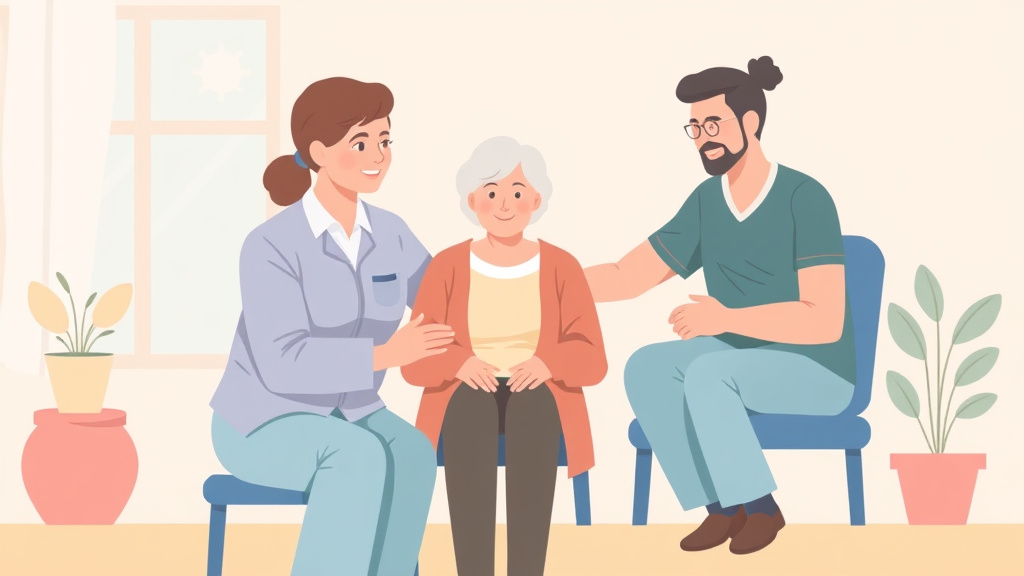
Legal considerations often intersect with insurance coverage for rehabilitation in ways that catch families off guard. Make sure your parent's legal documents, including power of attorney, healthcare proxy, and advance directives, are current and accessible. If these documents do not exist yet, prioritize getting them set up while your parent can still participate in the process. An elder law attorney can help, and many offer free initial consultations.
Planning ahead is the single most valuable thing you can do when it comes to insurance coverage for rehabilitation. Most caregiving crises are predictable in category, if not in timing. Falls, hospitalizations, cognitive decline, and care transitions are all common events that can be planned for. Having a playbook for each scenario, even a rough one, dramatically reduces stress and improves outcomes when these events occur.
Critical Information You Need
Communication is the foundation of good caregiving, and it is especially important when dealing with insurance coverage for rehabilitation. Make sure every family member involved in your parent's care has access to the same information. Use a shared document, a family group chat, or a caregiving coordination app to keep everyone updated. When information lives in one person's head, things get missed. When it lives in a shared system, the whole family can contribute and stay aligned.
Cost is a factor that cannot be ignored when it comes to insurance coverage for rehabilitation. The average family caregiver spends over $7,000 per year out of pocket on caregiving expenses. Some spend far more. Before committing to any approach, understand what insurance covers, what assistance programs exist, and what tax deductions or credits you may be eligible for. A little research on the financial side can save your family thousands of dollars over the course of your parent's care.
Your parent's preferences matter in every decision related to insurance coverage for rehabilitation. Whenever possible, include them in the conversation. Even when cognitive decline is a factor, most seniors can still express preferences about their daily routines, their comfort, and their values. Respecting their autonomy, even within the constraints of their health situation, preserves their dignity and strengthens your relationship with them during a difficult time.
Insurance Coverage for Rehabilitation: Quick Reference
| Program | Eligibility Requirement | What It Covers | How to Apply | Processing Time |
|---|---|---|---|---|
| Medicaid | Income and asset limits (varies by state) | Nursing home, home care, prescriptions | State Medicaid office | 30-90 days typically |
| Medicare Savings Program | Income below 135% FPL | Part B premiums, deductibles | State Medicaid office or SSA | 30-45 days |
| Extra Help (LIS) | Income below 150% FPL, limited assets | Part D premiums, copays, deductibles | SSA office or online | 30 days |
| VA Aid and Attendance | Veteran or surviving spouse, care needs | Up to $2,431/month for care costs | VA regional office | 6-12 months average |
| State Pharmaceutical Assistance | Varies by state | Prescription drug costs | State program office | Varies by state |
Best Practices for Caregivers
When evaluating options related to insurance coverage for rehabilitation, get information from multiple sources before making a decision. One doctor's opinion, one insurance representative's answer, or one facility's brochure does not give you the full picture. Cross-reference what you learn, and pay special attention to information from people who have been through similar situations. Caregiver support groups, both in-person and online, are excellent sources of real-world experience.
Legal considerations often intersect with insurance coverage for rehabilitation in ways that catch families off guard. Make sure your parent's legal documents, including power of attorney, healthcare proxy, and advance directives, are current and accessible. If these documents do not exist yet, prioritize getting them set up while your parent can still participate in the process. An elder law attorney can help, and many offer free initial consultations.
Planning ahead is the single most valuable thing you can do when it comes to insurance coverage for rehabilitation. Most caregiving crises are predictable in category, if not in timing. Falls, hospitalizations, cognitive decline, and care transitions are all common events that can be planned for. Having a playbook for each scenario, even a rough one, dramatically reduces stress and improves outcomes when these events occur.
Managing insurance coverage for rehabilitation? See the $29 Doctor Visit Pack. Build yours in about 2 minutes.
Troubleshooting Common Challenges
Communication is the foundation of good caregiving, and it is especially important when dealing with insurance coverage for rehabilitation. Make sure every family member involved in your parent's care has access to the same information. Use a shared document, a family group chat, or a caregiving coordination app to keep everyone updated. When information lives in one person's head, things get missed. When it lives in a shared system, the whole family can contribute and stay aligned.
Cost is a factor that cannot be ignored when it comes to insurance coverage for rehabilitation. The average family caregiver spends over $7,000 per year out of pocket on caregiving expenses. Some spend far more. Before committing to any approach, understand what insurance covers, what assistance programs exist, and what tax deductions or credits you may be eligible for. A little research on the financial side can save your family thousands of dollars over the course of your parent's care.
Your parent's preferences matter in every decision related to insurance coverage for rehabilitation. Whenever possible, include them in the conversation. Even when cognitive decline is a factor, most seniors can still express preferences about their daily routines, their comfort, and their values. Respecting their autonomy, even within the constraints of their health situation, preserves their dignity and strengthens your relationship with them during a difficult time.
Where to Find Help and Support
When evaluating options related to insurance coverage for rehabilitation, get information from multiple sources before making a decision. One doctor's opinion, one insurance representative's answer, or one facility's brochure does not give you the full picture. Cross-reference what you learn, and pay special attention to information from people who have been through similar situations. Caregiver support groups, both in-person and online, are excellent sources of real-world experience.
Legal considerations often intersect with insurance coverage for rehabilitation in ways that catch families off guard. Make sure your parent's legal documents, including power of attorney, healthcare proxy, and advance directives, are current and accessible. If these documents do not exist yet, prioritize getting them set up while your parent can still participate in the process. An elder law attorney can help, and many offer free initial consultations.
Planning ahead is the single most valuable thing you can do when it comes to insurance coverage for rehabilitation. Most caregiving crises are predictable in category, if not in timing. Falls, hospitalizations, cognitive decline, and care transitions are all common events that can be planned for. Having a playbook for each scenario, even a rough one, dramatically reduces stress and improves outcomes when these events occur.
Looking Ahead
Communication is the foundation of good caregiving, and it is especially important when dealing with insurance coverage for rehabilitation. Make sure every family member involved in your parent's care has access to the same information. Use a shared document, a family group chat, or a caregiving coordination app to keep everyone updated. When information lives in one person's head, things get missed. When it lives in a shared system, the whole family can contribute and stay aligned.
Cost is a factor that cannot be ignored when it comes to insurance coverage for rehabilitation. The average family caregiver spends over $7,000 per year out of pocket on caregiving expenses. Some spend far more. Before committing to any approach, understand what insurance covers, what assistance programs exist, and what tax deductions or credits you may be eligible for. A little research on the financial side can save your family thousands of dollars over the course of your parent's care.
Your parent's preferences matter in every decision related to insurance coverage for rehabilitation. Whenever possible, include them in the conversation. Even when cognitive decline is a factor, most seniors can still express preferences about their daily routines, their comfort, and their values. Respecting their autonomy, even within the constraints of their health situation, preserves their dignity and strengthens your relationship with them during a difficult time.
Related Articles
- Medicare Coverage for Home Health Care
- Medicare Coverage for Hospice Care
- Medicare Coverage for Physical Therapy
- CaregiverPilot vs. Papa Health Comparison
Try our free tools
Frequently Asked Questions
How do I get started with insurance coverage for rehabilitation?
When evaluating options related to insurance coverage for rehabilitation, get information from multiple sources before making a decision. One doctor's opinion, one insurance representative's answer, or one facility's brochure does not give you the full picture.
What critical information do I need for insurance coverage for rehabilitation?
Communication is the foundation of good caregiving, and it is especially important when dealing with insurance coverage for rehabilitation. Make sure every family member involved in your parent's care has access to the same information. Use a shared calendar or notebook to keep track of appointments, phone calls, and decisions.
How can I find the best practices for caregivers dealing with insurance coverage for rehabilitation?
When evaluating options related to insurance coverage for rehabilitation, get information from multiple sources before making a decision. One doctor's opinion, one insurance representative's answer, or one facility's brochure does not give you the full picture.
Why is troubleshooting common challenges important for insurance coverage for rehabilitation?
Communication is the foundation of good caregiving, and it is especially important when dealing with insurance coverage for rehabilitation. Make sure every family member involved in your parent's care has access to the same information. Use a shared calendar or notebook to keep track of appointments, phone calls, and decisions.
Where to Find Help and Support?
When evaluating options related to insurance coverage for rehabilitation, get information from multiple sources before making a decision. One doctor's opinion, one insurance representative's answer, or one facility's brochure does not give you the full picture. Cross-reference what you learn, and pay special attention to information from people who have been through similar situations.
Can I plan ahead for insurance coverage for rehabilitation?
Communication is the foundation of good caregiving, and it is especially important when dealing with insurance coverage for rehabilitation. Make sure every family member involved in your parent's care has access to the same information. Use a shared calendar or notebook to keep track of appointments, phone calls, and decisions.
Take Control of Your Caregiving Journey
See the $29 Doctor Visit Pack. Build yours in about 2 minutes.