Medicare Home Hospital Program
Why This Matters for Your Family
Quality of life should guide every decision you make about medicare home hospital program. It is easy to get caught up in medical metrics, insurance paperwork, and logistical challenges, and lose sight of what actually matters to your parent: comfort, connection, dignity, and as much independence as their health allows. Check in regularly with yourself about whether the choices you are making serve those goals, and adjust course when they do not.

Every caregiving situation is different, and what works for one family may not work for yours. The advice in this guide on medicare home hospital program should be adapted to your parent's specific health conditions, your family dynamics, your geographic location, and your financial resources. Use it as a starting framework, then customize based on what you learn through experience. The best care plan is one that evolves as circumstances change.
Many family caregivers navigating complex insurance systems put their own health on the back burner while managing medicare home hospital program for their parents. This is understandable but unsustainable. If you burn out, get sick, or become unable to provide care, your parent's situation worsens dramatically. Prioritize your own medical appointments, exercise, sleep, and social connections. These are not luxuries. They are requirements for being able to show up as the caregiver your parent needs.
Breaking Down the Details
According to AARP, roughly 53 million Americans serve as unpaid family caregivers. The financial, emotional, and physical toll is well documented. Caregivers are more likely to experience depression, chronic illness, and financial hardship than non-caregivers. When it comes to medicare home hospital program, having clear information and organized systems does not eliminate the burden, but it reduces the chaos. And reducing chaos is one of the most impactful things you can do for both your parent and yourself.
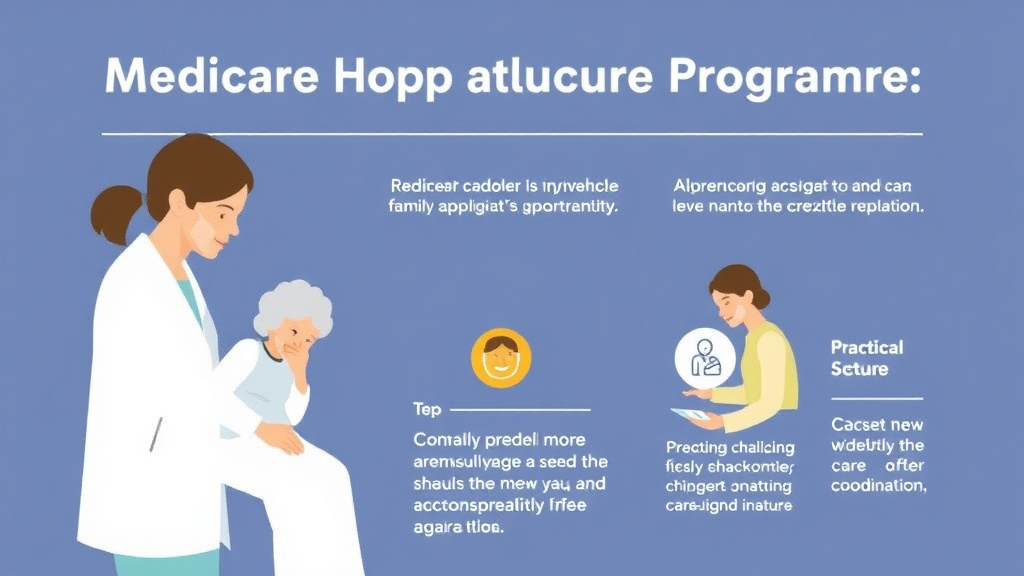
One of the most common mistakes family caregivers navigating complex insurance systems make with medicare home hospital program is trying to figure everything out alone. There are professionals, community resources, and technology tools designed to help. Your parent's doctor, a social worker at the local hospital, and your Area Agency on Aging can all play a role. The key is knowing which resource to tap for which problem, and building those connections before you need them urgently.
Start by writing down everything you currently know about your parent's situation related to medicare home hospital program. Then write down everything you do not know. That second list is your roadmap. Work through it systematically, starting with the items that have the most immediate impact on your parent's safety and quality of life. Do not try to tackle everything in a single weekend. Sustainable caregiving is a marathon, not a sprint, and pacing yourself prevents the burnout that derails so many well-intentioned family caregivers.
Medicare Home Hospital Program: Quick Reference
| Coverage Type | What It Pays For | Monthly Premium Range | Deductible | Key Limitation |
|---|---|---|---|---|
| Medicare Part A | Hospital stays, skilled nursing, hospice | $0 for most (premium-free) | $1,632 per benefit period | Limited to 60 days full coverage |
| Medicare Part B | Doctor visits, outpatient care, preventive | $174.70 standard | $240 annually | 80/20 split after deductible |
| Medicare Part D | Prescription drugs | $30-$90 average | Varies by plan | Formulary restrictions apply |
| Medigap Plan G | Most Part A and B gaps | $150-$350 depending on age/location | Part B deductible only | No prescription coverage |
| Medicare Advantage | All-in-one: A, B, usually D | $0-$100 average | Varies by plan | Network restrictions apply |
Practical Steps to Take Now
Quality of life should guide every decision you make about medicare home hospital program. It is easy to get caught up in medical metrics, insurance paperwork, and logistical challenges, and lose sight of what actually matters to your parent: comfort, connection, dignity, and as much independence as their health allows. Check in regularly with yourself about whether the choices you are making serve those goals, and adjust course when they do not.
Every caregiving situation is different, and what works for one family may not work for yours. The advice in this guide on medicare home hospital program should be adapted to your parent's specific health conditions, your family dynamics, your geographic location, and your financial resources. Use it as a starting framework, then customize based on what you learn through experience. The best care plan is one that evolves as circumstances change.
Many family caregivers navigating complex insurance systems put their own health on the back burner while managing medicare home hospital program for their parents. This is understandable but unsustainable. If you burn out, get sick, or become unable to provide care, your parent's situation worsens dramatically. Prioritize your own medical appointments, exercise, sleep, and social connections. These are not luxuries. They are requirements for being able to show up as the caregiver your parent needs.
Managing medicare home hospital program? See the $29 Doctor Visit Pack. Build yours in about 2 minutes.
What Research and Experts Say
According to AARP, roughly 53 million Americans serve as unpaid family caregivers. The financial, emotional, and physical toll is well documented. Caregivers are more likely to experience depression, chronic illness, and financial hardship than non-caregivers. When it comes to medicare home hospital program, having clear information and organized systems does not eliminate the burden, but it reduces the chaos. And reducing chaos is one of the most impactful things you can do for both your parent and yourself.
One of the most common mistakes family caregivers navigating complex insurance systems make with medicare home hospital program is trying to figure everything out alone. There are professionals, community resources, and technology tools designed to help. Your parent's doctor, a social worker at the local hospital, and your Area Agency on Aging can all play a role. The key is knowing which resource to tap for which problem, and building those connections before you need them urgently.
Start by writing down everything you currently know about your parent's situation related to medicare home hospital program. Then write down everything you do not know. That second list is your roadmap. Work through it systematically, starting with the items that have the most immediate impact on your parent's safety and quality of life. Do not try to tackle everything in a single weekend. Sustainable caregiving is a marathon, not a sprint, and pacing yourself prevents the burnout that derails so many well-intentioned family caregivers.
Planning for What Comes Next
Quality of life should guide every decision you make about medicare home hospital program. It is easy to get caught up in medical metrics, insurance paperwork, and logistical challenges, and lose sight of what actually matters to your parent: comfort, connection, dignity, and as much independence as their health allows. Check in regularly with yourself about whether the choices you are making serve those goals, and adjust course when they do not.
Every caregiving situation is different, and what works for one family may not work for yours. The advice in this guide on medicare home hospital program should be adapted to your parent's specific health conditions, your family dynamics, your geographic location, and your financial resources. Use it as a starting framework, then customize based on what you learn through experience. The best care plan is one that evolves as circumstances change.
Many family caregivers navigating complex insurance systems put their own health on the back burner while managing medicare home hospital program for their parents. This is understandable but unsustainable. If you burn out, get sick, or become unable to provide care, your parent's situation worsens dramatically. Prioritize your own medical appointments, exercise, sleep, and social connections. These are not luxuries. They are requirements for being able to show up as the caregiver your parent needs.
Related Articles
- Medicare Part a Hospital Coverage Explained
- Medicare Supplement Medigap Explained
- Medicare Enrollment Periods Deadlines
- Early Signs of Dementia in Aging Parents
Try our free tools
Frequently Asked Questions
Why This Matters for Your Family?
Quality of life should guide every decision you make about the Medicare home hospital program. It is easy to get caught up in medical metrics, insurance paperwork, and logistical challenges, and lose sight of what actually matters to your parent: comfort, connection, dignity, and as much independence as their health allows. Check in regularly with yourself about whether the choices you are making serve these priorities.
How can I break down the details of the Medicare home hospital program?
According to AARP, roughly 53 million Americans serve as unpaid family caregivers. The financial, emotional, and physical toll is well documented. Caregivers are more likely to experience depression, chronic illness, and financial hardship than non-caregivers.
What are the practical steps I can take now for the Medicare home hospital program?
Quality of life should guide every decision you make about the Medicare home hospital program. It is easy to get caught up in medical metrics, insurance paperwork, and logistical challenges, and lose sight of what actually matters to your parent: comfort and care.
What Research and Experts Say?
According to AARP, roughly 53 million Americans serve as unpaid family caregivers. The financial, emotional, and physical toll is well documented. Caregivers are more likely to experience depression, chronic illness, and financial hardship than non-caregivers. When it comes to the Medicare home hospital program, having clear information and organized systems does not eliminate the burden, but it reduces stress and helps ensure your loved one receives the best possible care.
How should I plan for what comes next with the Medicare home hospital program?
Quality of life should guide every decision you make about the Medicare home hospital program. It is easy to get caught up in medical metrics, insurance paperwork, and logistical challenges, and lose sight of what actually matters to your parent: comfort and care.
Take Control of Your Caregiving Journey
See the $29 Doctor Visit Pack. Build yours in about 2 minutes.