Guardianship Alternatives to Consider
Why This Matters for Your Family
Documentation is one of the most underrated tools in caregiving. Keep a running log of symptoms, medications, doctor visits, insurance claims, and any changes in your parent's condition. This log becomes invaluable during doctor appointments, insurance appeals, care transitions, and family discussions about next steps. It also protects you legally if questions ever arise about the care decisions you have made on your parent's behalf.

Technology has made many aspects of guardianship alternatives to consider easier than they were even five years ago. Telehealth visits reduce transportation burdens. Medication management apps send automatic reminders. Shared calendars keep family caregivers coordinated across time zones. GPS trackers provide peace of mind for wandering risks. A shared list, a simple calendar, and the right printed materials go a long way toward managing all of this. The goal is not to add more complexity, but to consolidate what you are already doing into a system that works.
Talk to your parent's primary care physician about guardianship alternatives to consider at the next appointment. Prepare a written list of questions beforehand. During the visit, take notes or ask if you can record the conversation. After the appointment, summarize the key takeaways and share them with other family members involved in care. This simple communication loop prevents the misunderstandings and information gaps that cause so many problems in multi-caregiver families.
Breaking Down the Details
The emotional side of guardianship alternatives to consider deserves as much attention as the practical side. Watching a parent struggle with health challenges brings up grief, guilt, frustration, and sometimes anger. These feelings are normal and valid. Acknowledging them, whether through journaling, therapy, support groups, or honest conversations with trusted friends, prevents them from building up to a breaking point. Your emotional health directly affects the quality of care you provide.
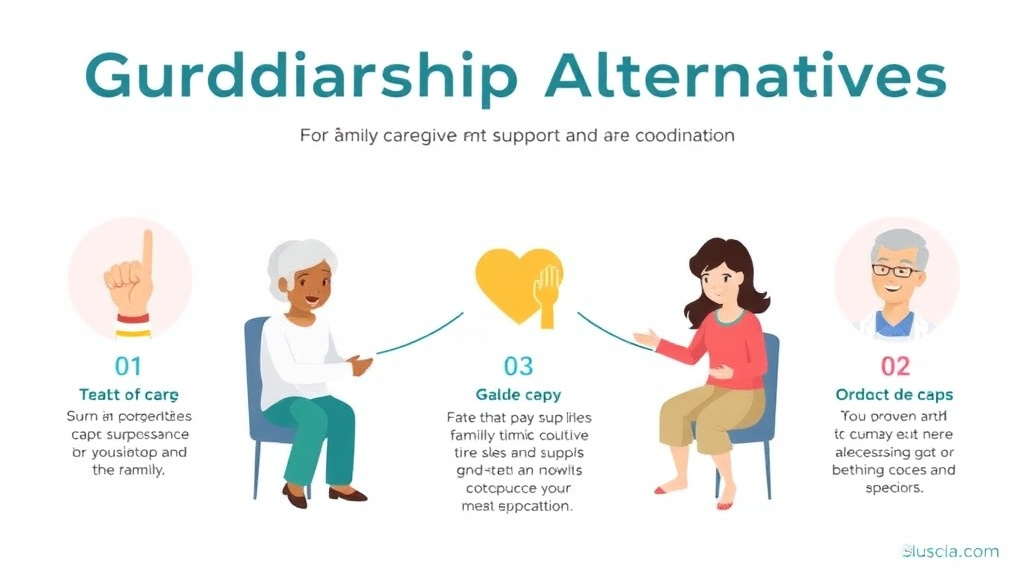
As you work through the details of guardianship alternatives to consider, keep a list of what is working and what is not. Review this list monthly and make adjustments. Caregiving is not a set-it-and-forget-it operation. Your parent's needs will change, your capacity will fluctuate, and external factors like insurance coverage and available services will shift. Regular review and adjustment keep your care approach effective and sustainable over the long haul.
Most families handling legal and financial decisions for aging parents discover the importance of guardianship alternatives to consider only after a crisis forces the issue. By then, decisions feel rushed, options feel limited, and stress levels are already through the roof. The better approach is to educate yourself now, even if the need does not feel urgent yet. Understanding what is ahead gives you time to plan, compare options, and make choices that reflect your parent's values rather than just what is available in the moment. This guide walks you through what you need to know in practical, plain language.
Guardianship Alternatives to Consider: Quick Reference
| Legal Document | What It Does | When You Need It | Typical Cost | Where to Get Help |
|---|---|---|---|---|
| Durable Power of Attorney | Authorizes someone to manage finances | Before cognitive decline | $200-$500 with attorney | Elder law attorney, legal aid |
| Healthcare Power of Attorney | Authorizes medical decisions | Before incapacity | $150-$400 with attorney | Elder law attorney, hospital social worker |
| Advance Directive/Living Will | States end-of-life treatment preferences | While parent can express wishes | $0-$300 (free forms available) | State-specific free forms online |
| Revocable Living Trust | Manages assets, avoids probate | When estate planning is needed | $1,500-$3,000 with attorney | Estate planning or elder law attorney |
| POLST/MOLST Form | Specific medical orders for emergencies | Serious illness or frailty | Free (signed by physician) | Parent's doctor or hospital |
Practical Steps to Take Now
Documentation is one of the most underrated tools in caregiving. Keep a running log of symptoms, medications, doctor visits, insurance claims, and any changes in your parent's condition. This log becomes invaluable during doctor appointments, insurance appeals, care transitions, and family discussions about next steps. It also protects you legally if questions ever arise about the care decisions you have made on your parent's behalf.
Technology has made many aspects of guardianship alternatives to consider easier than they were even five years ago. Telehealth visits reduce transportation burdens. Medication management apps send automatic reminders. Shared calendars keep family caregivers coordinated across time zones. GPS trackers provide peace of mind for wandering risks. A shared list, a simple calendar, and the right printed materials go a long way toward managing all of this. The goal is not to add more complexity, but to consolidate what you are already doing into a system that works.
Talk to your parent's primary care physician about guardianship alternatives to consider at the next appointment. Prepare a written list of questions beforehand. During the visit, take notes or ask if you can record the conversation. After the appointment, summarize the key takeaways and share them with other family members involved in care. This simple communication loop prevents the misunderstandings and information gaps that cause so many problems in multi-caregiver families.
Managing guardianship alternatives to consider? See the $29 Doctor Visit Pack. Build yours in about 2 minutes.
What Research and Experts Say
The emotional side of guardianship alternatives to consider deserves as much attention as the practical side. Watching a parent struggle with health challenges brings up grief, guilt, frustration, and sometimes anger. These feelings are normal and valid. Acknowledging them, whether through journaling, therapy, support groups, or honest conversations with trusted friends, prevents them from building up to a breaking point. Your emotional health directly affects the quality of care you provide.
As you work through the details of guardianship alternatives to consider, keep a list of what is working and what is not. Review this list monthly and make adjustments. Caregiving is not a set-it-and-forget-it operation. Your parent's needs will change, your capacity will fluctuate, and external factors like insurance coverage and available services will shift. Regular review and adjustment keep your care approach effective and sustainable over the long haul.
Most families handling legal and financial decisions for aging parents discover the importance of guardianship alternatives to consider only after a crisis forces the issue. By then, decisions feel rushed, options feel limited, and stress levels are already through the roof. The better approach is to educate yourself now, even if the need does not feel urgent yet. Understanding what is ahead gives you time to plan, compare options, and make choices that reflect your parent's values rather than just what is available in the moment. This guide walks you through what you need to know in practical, plain language.
Planning for What Comes Next
Documentation is one of the most underrated tools in caregiving. Keep a running log of symptoms, medications, doctor visits, insurance claims, and any changes in your parent's condition. This log becomes invaluable during doctor appointments, insurance appeals, care transitions, and family discussions about next steps. It also protects you legally if questions ever arise about the care decisions you have made on your parent's behalf.
Technology has made many aspects of guardianship alternatives to consider easier than they were even five years ago. Telehealth visits reduce transportation burdens. Medication management apps send automatic reminders. Shared calendars keep family caregivers coordinated across time zones. GPS trackers provide peace of mind for wandering risks. A shared list, a simple calendar, and the right printed materials go a long way toward managing all of this. The goal is not to add more complexity, but to consolidate what you are already doing into a system that works.
Talk to your parent's primary care physician about guardianship alternatives to consider at the next appointment. Prepare a written list of questions beforehand. During the visit, take notes or ask if you can record the conversation. After the appointment, summarize the key takeaways and share them with other family members involved in care. This simple communication loop prevents the misunderstandings and information gaps that cause so many problems in multi-caregiver families.
Related Articles
- Guardianship Petition Process
- Emergency Guardianship Process
- Power of Attorney for Aging Parents
- Adult Protective Services When to Call
Try our free tools
Frequently Asked Questions
Why This Matters for Your Family?
Documentation is one of the most underrated tools in caregiving. Keep a running log of symptoms, medications, doctor visits, insurance claims, and any changes in your parent's condition. This log becomes invaluable during doctor appointments, insurance appeals, care transitions, and family discussions about next steps. It also protects you legally if questions ever arise about the care decisions you've made.
How can I cope with the emotional side of guardianship alternatives?
The emotional side of guardianship alternatives deserves as much attention as the practical side. Watching a parent struggle with health challenges brings up grief, guilt, frustration, and sometimes anger. These feelings are normal and valid.
What practical steps should I take now for guardianship alternatives?
Documentation is one of the most underrated tools in caregiving. Keep a running log of symptoms, medications, doctor visits, insurance claims, and any changes in your parent's condition. This log becomes invaluable during doctor appointments, insurance claims, and planning for the future.
What Research and Experts Say?
The emotional side of guardianship alternatives to consider deserves as much attention as the practical side. Watching a parent struggle with health challenges brings up grief, guilt, frustration, and sometimes anger. These feelings are normal and valid. Acknowledging them, whether through journaling, therapy, support groups, or honest conversations with trusted friends, prevents them from building up and affecting your decision-making.
When should I start planning for what comes next with guardianship alternatives?
Documentation is one of the most underrated tools in caregiving. Keep a running log of symptoms, medications, doctor visits, insurance claims, and any changes in your parent's condition. This log becomes invaluable during doctor appointments, insurance claims, and planning for the future.
Take Control of Your Caregiving Journey
See the $29 Doctor Visit Pack. Build yours in about 2 minutes.