Catheter Care at Home Guide
Understanding the Basics
If you are feeling overwhelmed by catheter care at home guide, you are not alone, and you are not failing. Caregiving is genuinely hard work, and the learning curve is steep. Give yourself permission to not know everything right away. Focus on the next right step rather than trying to solve every problem at once. And remember that asking for help, whether from family, friends, professionals, or technology, is a sign of strength, not weakness.
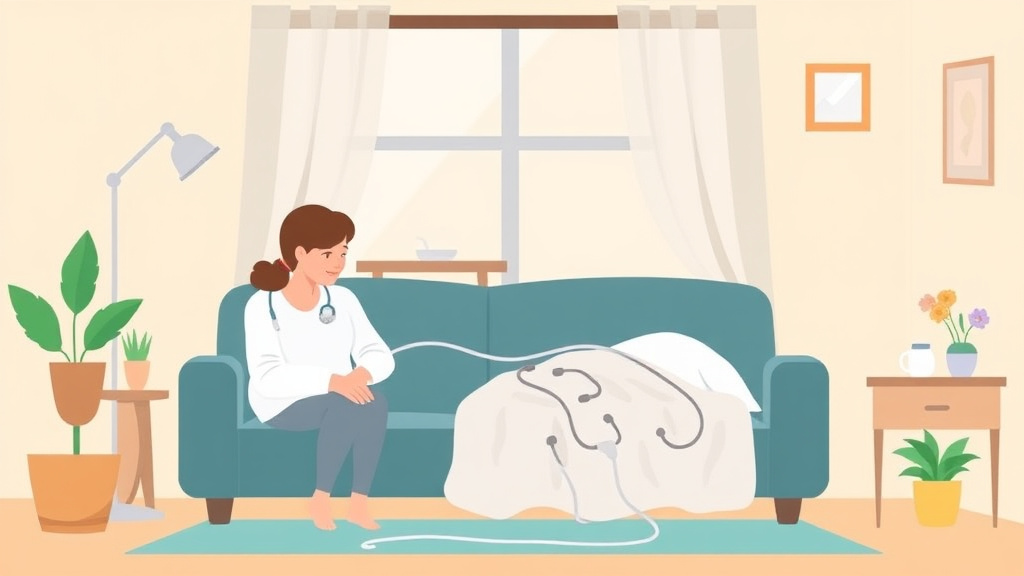
Quality of life should guide every decision you make about catheter care at home guide. It is easy to get caught up in medical metrics, insurance paperwork, and logistical challenges, and lose sight of what actually matters to your parent: comfort, connection, dignity, and as much independence as their health allows. Check in regularly with yourself about whether the choices you are making serve those goals, and adjust course when they do not.
Every caregiving situation is different, and what works for one family may not work for yours. The advice in this guide on catheter care at home guide should be adapted to your parent's specific health conditions, your family dynamics, your geographic location, and your financial resources. Use it as a starting framework, then customize based on what you learn through experience. The best care plan is one that evolves as circumstances change.
How This Impacts Daily Caregiving
The medical system was not designed with family caregivers in mind. Doctors have limited appointment time. Insurance companies use jargon that obscures more than it clarifies. Care facilities have their own rules and acronyms. As the person coordinating your parent's care, you are expected to navigate all of these systems at once, often without training or support. That is why understanding catheter care at home guide matters so much. It gives you the vocabulary and framework to advocate effectively for your parent across every interaction.
According to AARP, roughly 53 million Americans serve as unpaid family caregivers. The financial, emotional, and physical toll is well documented. Caregivers are more likely to experience depression, chronic illness, and financial hardship than non-caregivers. When it comes to catheter care at home guide, having clear information and organized systems does not eliminate the burden, but it reduces the chaos. And reducing chaos is one of the most impactful things you can do for both your parent and yourself.
One of the most common mistakes adult children handling day-to-day care tasks make with catheter care at home guide is trying to figure everything out alone. There are professionals, community resources, and technology tools designed to help. Your parent's doctor, a social worker at the local hospital, and your Area Agency on Aging can all play a role. The key is knowing which resource to tap for which problem, and building those connections before you need them urgently.
Catheter Care at Home Guide: Quick Reference
| Product Category | Top Recommendation | Price Range | Best For | Where to Buy |
|---|---|---|---|---|
| Shower chair | Drive Medical Premium | $40-$80 | Stability during bathing | Amazon, medical supply stores |
| Grab bars | Moen SecureMount | $25-$50 each | Bathroom and hallway safety | Home Depot, Lowe's |
| Pill organizer | MedCenter 31-Day | $20-$35 | Complex medication schedules | Amazon, pharmacies |
| Medical alert system | Medical Guardian | $30-$50/month | Fall detection, emergency response | Direct from provider |
| Incontinence supplies | Prevail Premium | $15-$30 per package | Overnight protection | Amazon, Walmart, pharmacies |
Your Options Explained
If you are feeling overwhelmed by catheter care at home guide, you are not alone, and you are not failing. Caregiving is genuinely hard work, and the learning curve is steep. Give yourself permission to not know everything right away. Focus on the next right step rather than trying to solve every problem at once. And remember that asking for help, whether from family, friends, professionals, or technology, is a sign of strength, not weakness.
Quality of life should guide every decision you make about catheter care at home guide. It is easy to get caught up in medical metrics, insurance paperwork, and logistical challenges, and lose sight of what actually matters to your parent: comfort, connection, dignity, and as much independence as their health allows. Check in regularly with yourself about whether the choices you are making serve those goals, and adjust course when they do not.
Every caregiving situation is different, and what works for one family may not work for yours. The advice in this guide on catheter care at home guide should be adapted to your parent's specific health conditions, your family dynamics, your geographic location, and your financial resources. Use it as a starting framework, then customize based on what you learn through experience. The best care plan is one that evolves as circumstances change.
Managing catheter care at home guide? See the $29 Doctor Visit Pack. Build yours in about 2 minutes.
Cost and Coverage Considerations
The medical system was not designed with family caregivers in mind. Doctors have limited appointment time. Insurance companies use jargon that obscures more than it clarifies. Care facilities have their own rules and acronyms. As the person coordinating your parent's care, you are expected to navigate all of these systems at once, often without training or support. That is why understanding catheter care at home guide matters so much. It gives you the vocabulary and framework to advocate effectively for your parent across every interaction.
According to AARP, roughly 53 million Americans serve as unpaid family caregivers. The financial, emotional, and physical toll is well documented. Caregivers are more likely to experience depression, chronic illness, and financial hardship than non-caregivers. When it comes to catheter care at home guide, having clear information and organized systems does not eliminate the burden, but it reduces the chaos. And reducing chaos is one of the most impactful things you can do for both your parent and yourself.
One of the most common mistakes adult children handling day-to-day care tasks make with catheter care at home guide is trying to figure everything out alone. There are professionals, community resources, and technology tools designed to help. Your parent's doctor, a social worker at the local hospital, and your Area Agency on Aging can all play a role. The key is knowing which resource to tap for which problem, and building those connections before you need them urgently.
Making Your Plan
If you are feeling overwhelmed by catheter care at home guide, you are not alone, and you are not failing. Caregiving is genuinely hard work, and the learning curve is steep. Give yourself permission to not know everything right away. Focus on the next right step rather than trying to solve every problem at once. And remember that asking for help, whether from family, friends, professionals, or technology, is a sign of strength, not weakness.
Quality of life should guide every decision you make about catheter care at home guide. It is easy to get caught up in medical metrics, insurance paperwork, and logistical challenges, and lose sight of what actually matters to your parent: comfort, connection, dignity, and as much independence as their health allows. Check in regularly with yourself about whether the choices you are making serve those goals, and adjust course when they do not.
Every caregiving situation is different, and what works for one family may not work for yours. The advice in this guide on catheter care at home guide should be adapted to your parent's specific health conditions, your family dynamics, your geographic location, and your financial resources. Use it as a starting framework, then customize based on what you learn through experience. The best care plan is one that evolves as circumstances change.
Try our free tools
Frequently Asked Questions
The medical system was not designed with family caregivers in mind. Doctors have limited appointment time. Insurance companies use jargon that obscures more than it clarifies. Care facilities have their own rules and acronyms. As the person coordinating your parent's care, you are expected to navigate all of these systems at once, often without training or support. That is why understanding catheter care at home guide matters so much. It gives you the vocabulary and framework to advocate effectively for your parent across every interaction.
According to AARP, roughly 53 million Americans serve as unpaid family caregivers. The financial, emotional, and physical toll is well documented. Caregivers are more likely to experience depression, chronic illness, and financial hardship than non-caregivers. When it comes to catheter care at home guide, having clear information and organized systems does not eliminate the burden, but it reduces the chaos. And reducing chaos is one of the most impactful things you can do for both your parent and yourself.
One of the most common mistakes adult children handling day-to-day care tasks make with catheter care at home guide is trying to figure everything out alone. There are professionals, community resources, and technology tools designed to help. Your parent's doctor, a social worker at the local hospital, and your Area Agency on Aging can all play a role. The key is knowing which resource to tap for which problem, and building those connections before you need them urgently.
Related Articles
- Incontinence Care Products Guide
- Ostomy Care at Home Basics
- Walker and Cane Fitting Guide
- Guardianship Petition Process
Walk Into the Next Visit Prepared
CaregiverPilot's $29 one-time Doctor Visit Pack builds a personalized visit prep sheet, medication log, and symptom tracker from your own answers.
$29 one time. Optional Care Companion membership $6.99/mo or $39/yr. 30-day money-back guarantee.